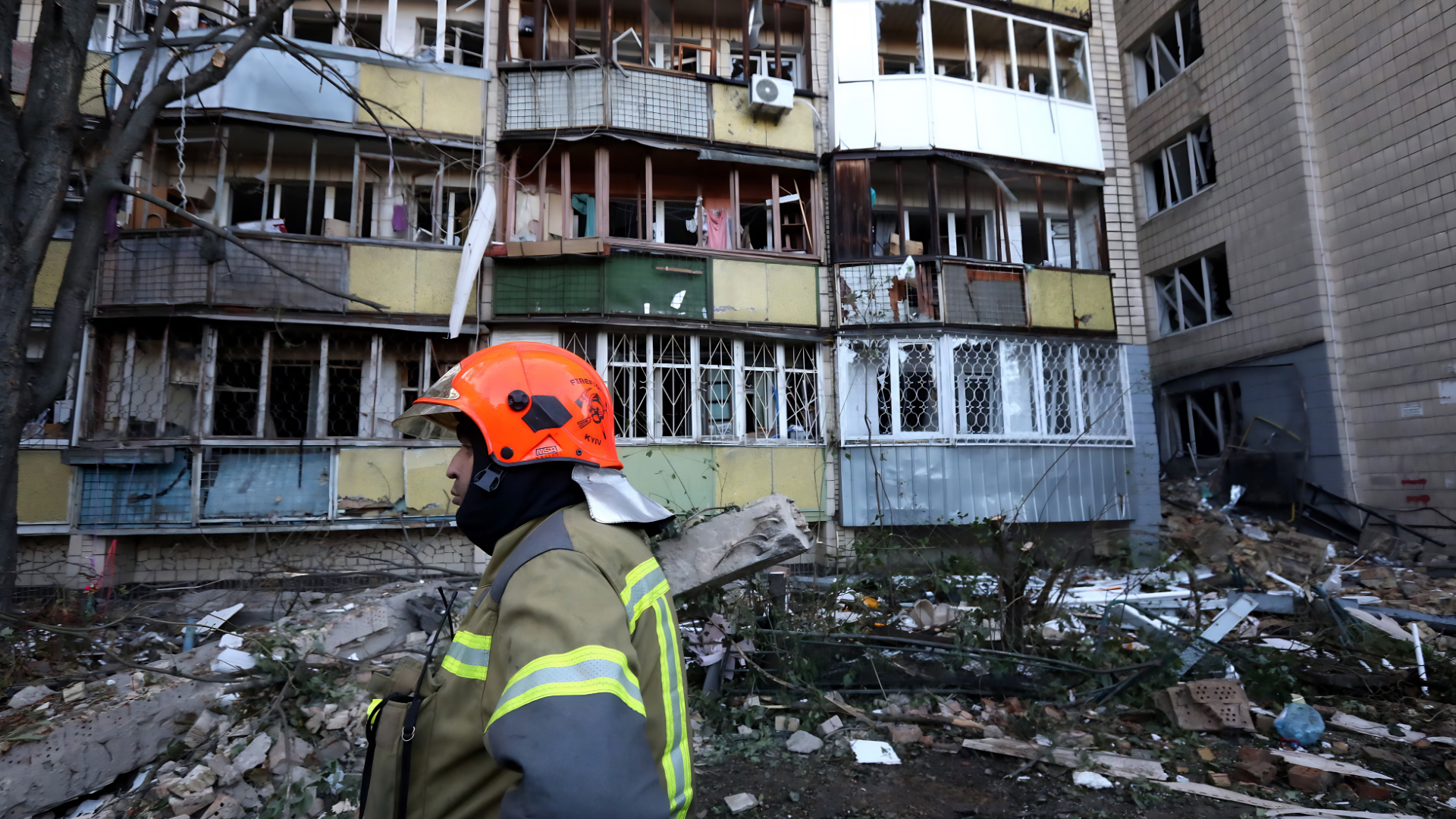
KUALA LUMPUR, JULY 2026 – The United States has launched another wave of attacks against Iran, targeting transport infrastructure including an airport, railway facilities and several bridges as the conflict between Washington and Tehran continues to intensify.
The latest operation marked the sixth consecutive night of US strikes against Iran. US Central Command confirmed that military operations were continuing, although its initial statement did not provide a complete list of the locations or facilities targeted.

Iranian media reported that at least three bridges in southern Iran were damaged or destroyed, including two near Bandar Khamir. The affected routes connect areas surrounding Bandar Abbas, a strategically important port city located close to the Strait of Hormuz.
Missiles were also reported to have struck Iranshahr Airport in southeastern Iran, while railway facilities and other infrastructure were targeted in separate attacks. The expansion of the campaign indicates that US operations are moving beyond conventional military sites to include transport and logistical networks.
Iranian authorities said at least two people were killed and four others injured in the attacks on bridges in southern Iran. A separate strike in a residential area of Bandar Abbas reportedly killed one civilian and injured seven others. These casualty figures were provided by Iranian sources and had not been fully verified independently at the time of publication.
The strikes followed earlier threats by US President Donald Trump to expand military operations to Iranian power plants, energy facilities and bridges unless Tehran returned to negotiations and reduced its activities around the Strait of Hormuz.
A senior Iranian intelligence official warned that continued attacks against the country’s infrastructure or leadership could produce consequences across the wider region. The official claimed Iran was prepared to launch a much broader regional response if the US campaign continued.
The statement represented Tehran’s warning rather than confirmation that a new regional operation had already begun. However, Iran has previously responded to US strikes with missile and drone attacks against military facilities and strategic locations in countries aligned with Washington.
The latest escalation comes after an earlier ceasefire collapsed, leading both countries to resume military operations. Iran has launched attacks towards US-linked facilities in Bahrain, Kuwait, Oman, Qatar, Jordan and Syria, while Washington has intensified its air campaign and reinstated a naval blockade against Iranian ports.
In Kuwait, Iranian attacks reportedly damaged infrastructure connected to electricity and water desalination. The spread of attacks beyond Iranian territory has increased concerns that neighbouring countries could become more deeply involved in a conflict that initially centred on Washington and Tehran.
The Strait of Hormuz remains central to the confrontation. The narrow waterway is one of the world’s most important energy routes, carrying a significant share of internationally traded oil and natural gas before the latest conflict disrupted commercial shipping.
US officials have said their military campaign is intended to weaken Iran’s ability to threaten commercial vessels and restrict navigation through the strait. Washington has also boarded or redirected vessels accused of violating its blockade of Iranian ports.
Tehran, however, views control of the strait as a national security issue and has warned that additional pressure could lead Iran and its regional allies to threaten other shipping routes, including the Bab al-Mandeb strait near Yemen. Such a development could place further pressure on global trade and energy supplies.
The targeting of bridges, airports, railway facilities and power infrastructure has also raised concerns about the impact on civilians. Damage to transport routes can disrupt emergency services, food deliveries, medical access and the movement of people, even when the facilities are also considered strategically important.
The conflict has already affected energy markets, shipping costs and regional security. Continued disruption around the Strait of Hormuz could increase oil prices, insurance expenses and transportation costs, with potential consequences for governments, businesses and consumers far beyond the Middle East.
Despite the renewed fighting, diplomatic efforts have not completely ended. Pakistan, Qatar and Egypt have reportedly remained involved in attempts to restore negotiations, while officials from both sides have continued to leave open the possibility of future talks.