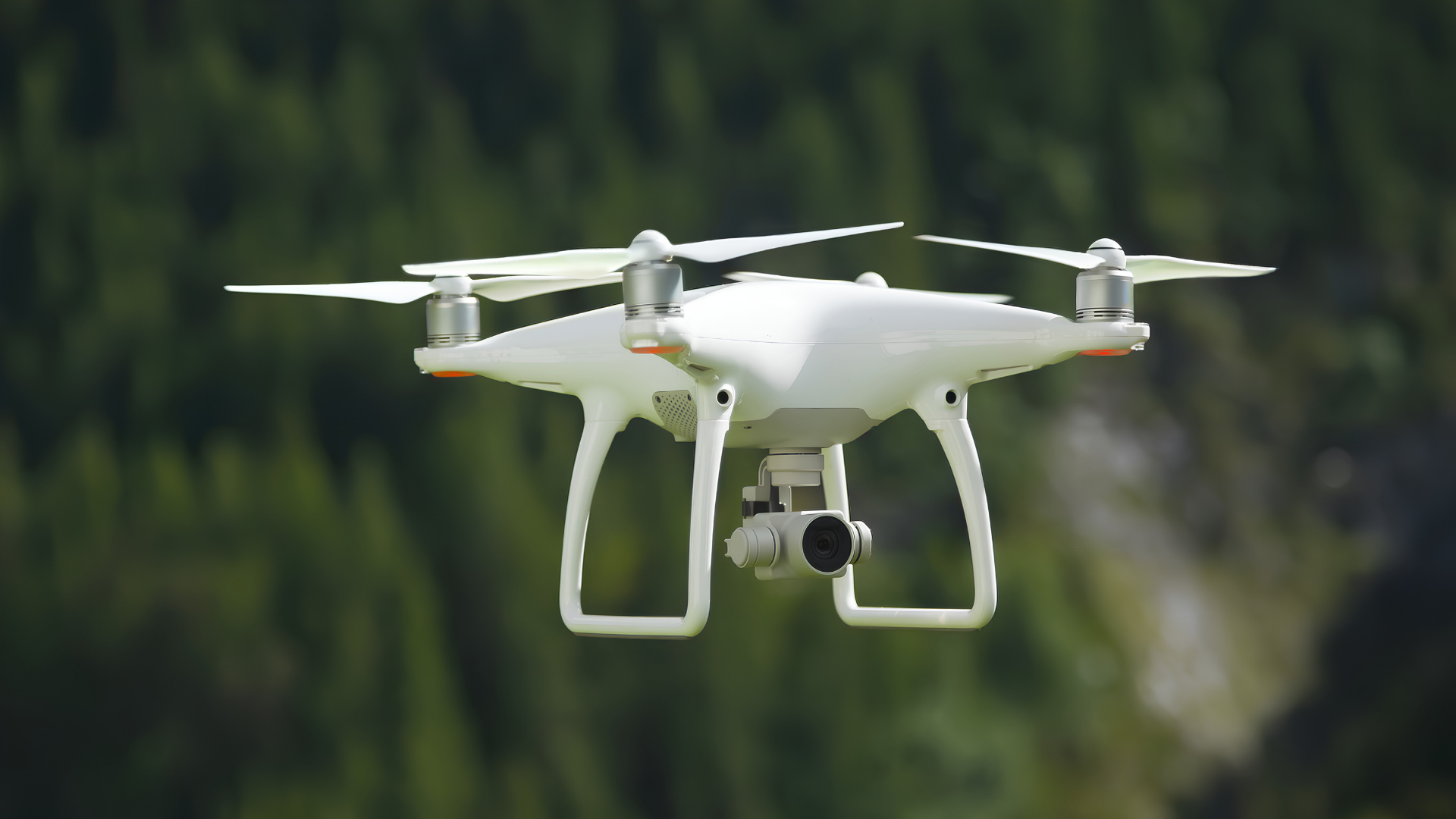
KUALA LUMPUR, JULY 2026 – The National Information Dissemination Centre, known as NADI, is working with Malaysia’s Ministry of Health to launch a pilot programme using drones to deliver medicines to rural communities in Tawau, Sabah.
The initiative is expected to begin around September or October and will involve approximately 12 villages. It forms part of NADI’s Smart Services initiative, which focuses on using technology to address practical challenges faced by communities, particularly those living in rural and remote areas.

NADI Office chief at the Malaysian Communications and Multimedia Commission, Dr Mohd Arif Adenan, said the programme would be implemented through cooperation involving the Health Ministry, the Civil Aviation Authority of Malaysia, the Sabah government and several other agencies.
The whole-of-government approach is intended to ensure that drone operations comply with aviation, healthcare and public safety requirements before medication deliveries begin.
The programme is expected to reduce the burden faced by patients who currently need to travel long distances to collect their medicines. It could also save time and transportation expenses for residents living far from hospitals and healthcare facilities.
Research by Universiti Malaysia Sabah found that some rural residents in Sabah must travel between 20 and 30 kilometres to obtain hospital treatment, making transportation costs one of the main barriers to accessing healthcare services.
Under the pilot programme, drones would provide an alternative method of transporting medicines to selected community locations. NADI centres could then serve as accessible collection points for patients living in nearby villages.
MCMC previously described the drone delivery initiative as a way to accelerate access to medication for communities in locations such as remote villages, islands and areas without adequate road infrastructure. The initial project was designed to connect healthcare facilities with selected NADI centres.
Authorities will consider expanding the service to other locations with similar needs if the Tawau pilot produces positive results.
Medication delivery through Pos Malaysia is already being implemented, with participating NADI centres operating as one-stop collection points for local communities. The proposed drone service would expand the available delivery options, particularly for areas where conventional transportation is difficult or time-consuming.
NADI centres also provide basic health screenings for patients requiring regular monitoring. These services can reduce the need for routine hospital visits for checks such as blood pressure measurement.
When a patient records an abnormal health reading, NADI personnel can connect the individual with the relevant hospital for further examination. The approach is intended to lower travel expenses for patients while helping reduce congestion at healthcare facilities.
NADI was established as an MCMC initiative under Malaysia’s Universal Service Provision programme. Its broader role includes improving inclusive digital access, delivering structured community programmes and providing reliable information to local residents.
MCMC is not currently planning a major increase in the number of physical NADI centres because the One State Constituency, One NADI policy has ensured that every state constituency has at least one centre.
Instead, the current focus is on expanding NADI 2.0 services virtually and reaching communities located farther away from existing centres. A Merdeka Centre study found that most NADI users live within one or two kilometres of their nearest community centre.
The use of drones for medicine delivery could strengthen NADI’s role beyond digital access by positioning the centres as local facilitators for healthcare and other essential public services.