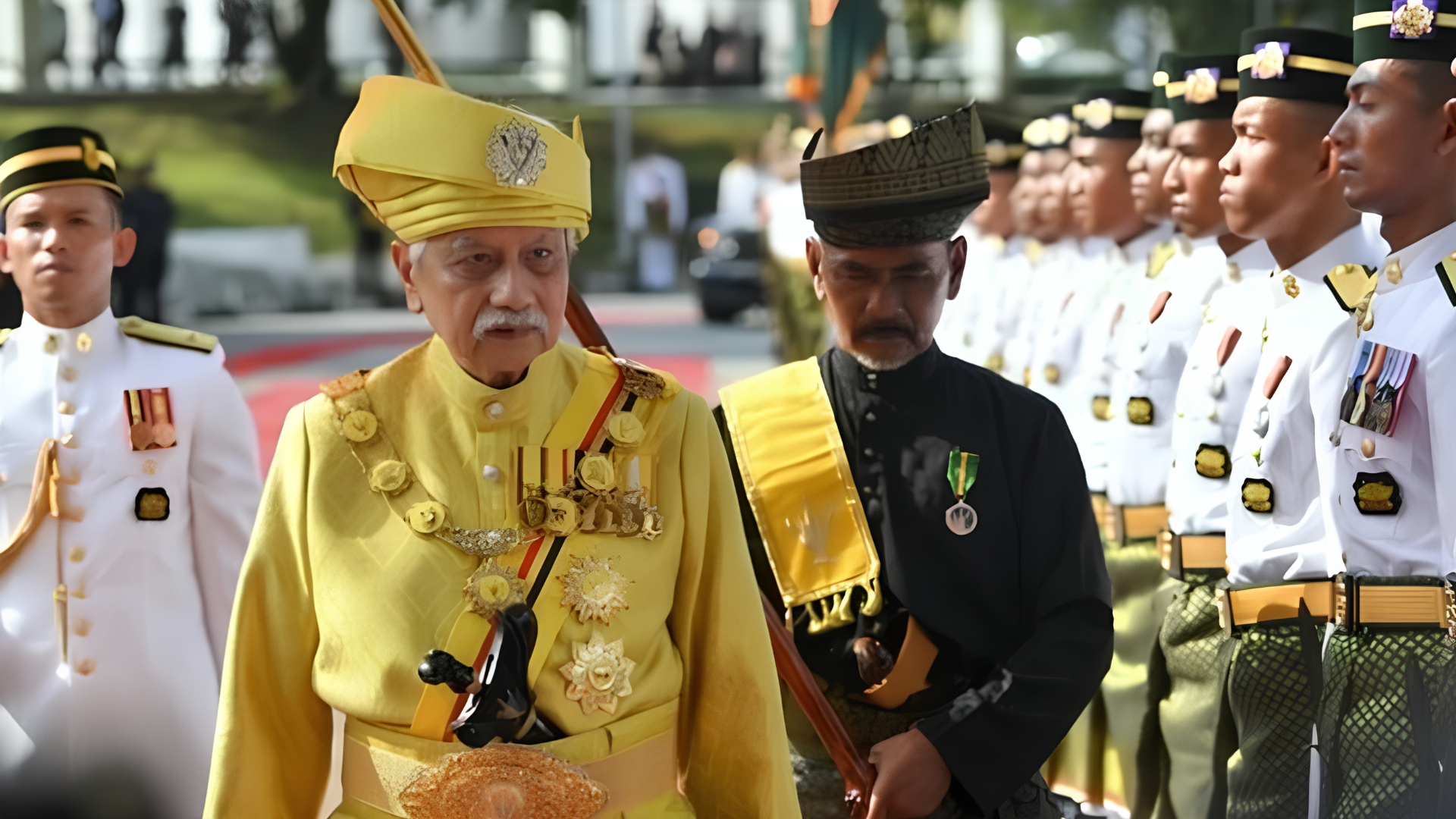
KUALA LUMPUR, JULY 2026 – Negeri Sembilan has one of Malaysia’s most distinctive systems of traditional government. At the centre of this system is an institution known as the Undang Yang Empat, sometimes called Undang Nan Ompek in the local dialect.
The phrase is sometimes misunderstood as meaning “four laws” because the Malay word undang-undang ordinarily means legislation. In this context, however, Undang is the title of a traditional ruling chief who holds authority within a customary territory known as a luak.

The Undang Yang Empat consist of the Undang of Sungai Ujong, Jelebu, Johol and Rembau. Each represents a major traditional territory and holds an established position within Negeri Sembilan’s royal and customary structure.
A luak can be understood as a customary territorial unit with its own traditional leadership. The Undang is not merely a village chief but an important ruling figure whose institution is connected to local administration, customary affairs and the state’s monarchy.
The most notable responsibility of the four Undangs is their role in choosing the Yang di-Pertuan Besar, the constitutional ruler of Negeri Sembilan. Unlike royal succession systems where the throne automatically passes to the eldest son, Negeri Sembilan’s ruler is selected according to the state constitution and established customs.
Eligible members of the royal family may be considered, but the authority to select and proclaim the ruler rests with the Undang Yang Empat. This elective feature makes Negeri Sembilan’s monarchy different from the hereditary systems generally associated with Malaysia’s other royal states.
The system is closely connected to Adat Perpatih, a customary tradition strongly associated with Negeri Sembilan’s identity and Minangkabau heritage. Adat Perpatih places importance on family, clan structures, collective consultation and recognised levels of traditional leadership.
The four traditional offices are:
Undang Luak Sungai Ujong, representing the customary territory of Sungai Ujong;
Undang Luak Jelebu, representing Jelebu;
Undang Luak Johol, representing Johol; and
Undang Luak Rembau, representing Rembau.
These offices have been preserved through generations and remain part of Negeri Sembilan’s modern constitutional and ceremonial framework.
Another important traditional leader is the Tunku Besar of Tampin. Although the title is frequently mentioned alongside the Undang Yang Empat at royal and official ceremonies, the Tunku Besar of Tampin is not counted as one of the four Undangs. Tampin has its own separate traditional ruling institution and historical position.
The relationship between the Yang di-Pertuan Besar, the Undang Yang Empat and the Tunku Besar of Tampin reflects the layered structure of traditional authority in Negeri Sembilan.
The institution also demonstrates that leadership in the state has historically been based on consultation rather than inheritance alone. Selecting a ruler requires the involvement of recognised customary leaders, making consensus an important element of the royal system.
Negeri Sembilan’s official historical account records that customary leaders and the Undang Yang Empat were involved in inviting a prince from Pagar Ruyong to become ruler during the formation of the state’s royal institution in the 18th century. This history shows the long-standing connection between the monarchy, Minangkabau heritage and local customary leadership.
The Undangs also participate in ceremonies that preserve the state’s customs and royal traditions. The installation and recognition of an Undang involve established rituals that have been practised for generations under Adat Perpatih.