KUALA LUMPUR, JULY 2026 – Sabah is facing a concerning rise in dengue infections, with stagnant water in ordinary household items, blocked drains and natural containers continuing to create breeding grounds for Aedes mosquitoes.
According to an update from the Sabah State Health Department dated July 15, 2026, the state had recorded 3,301 dengue cases and 19 active outbreaks. Kota Kinabalu registered the highest number with 1,123 cases, followed by Tawau with 660, Sandakan with 549 and Penampang with 211. Together, the four districts accounted for about three-quarters of Sabah’s reported infections.

The distribution of cases shows that dengue is not confined to remote settlements or visibly neglected areas. The disease is also spreading through urban centres, housing estates, workplaces and densely populated residential neighbourhoods.
In Penampang, Beverly Hills 3 was classified as an uncontrolled outbreak area after nine cases were reported over a 30-day period. A prolonged outbreak may indicate that hidden mosquito breeding sites remain within the community or that infected mosquitoes are still circulating.
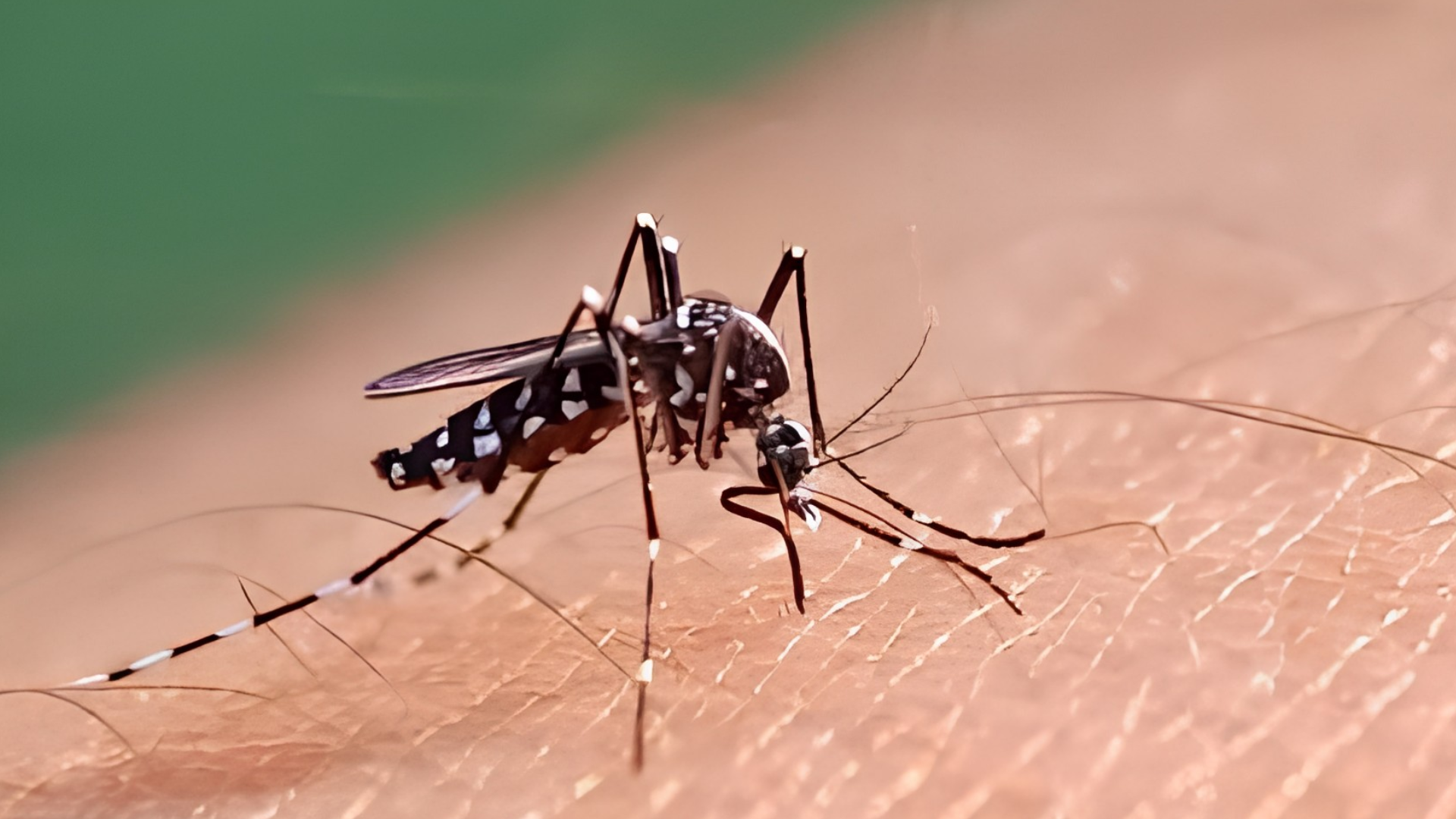
Dengue is a viral infection transmitted mainly through the bite of an infected female Aedes aegypti mosquito. A mosquito becomes infected after biting a person carrying the virus and can later transmit it to another individual.
The disease is generally not passed directly from one person to another through ordinary contact. However, people with mild symptoms or no noticeable signs may still transmit the virus to mosquitoes, allowing infections to spread silently within a neighbourhood.
While Aedes aegypti is the primary dengue vector, Aedes albopictus, which is also found in Sabah, can contribute to transmission in both urban and rural environments.
Sabah’s warm, humid and rainy climate offers favourable conditions for mosquito development. Rainwater can collect in flowerpot trays, plastic containers, blocked gutters, discarded materials, construction sites and natural spaces such as plant stems and curled leaves.
Aedes mosquitoes do not breed only in dirty drains. They often reproduce in relatively clean stagnant water stored in uncovered containers or trapped inside small household objects and natural materials that may appear harmless.
The Health Ministry encourages households to spend at least 10 minutes every week searching for and destroying possible mosquito breeding sites. Residents should empty and scrub water containers, cover stored water, turn unused buckets upside down, clear roof gutters and inspect flowerpot trays.
Scrubbing containers is particularly important because Aedes eggs may remain attached to their walls even after the water has been poured away.
The same routine should be practised in schools, offices, clinics, markets, construction sites and residential complexes. Regular inspections are necessary because new breeding sites can appear quickly following rainfall.
Community clean-up programmes can support dengue prevention, but they must focus directly on areas where water can accumulate. Sweeping roads and cutting grass may improve the appearance of a neighbourhood, but they will have limited impact if blocked drains, abandoned buildings and concealed water containers are not inspected.
Effective community programmes should identify high-risk areas, remove breeding sites and conduct follow-up inspections after rain rather than measuring success only through attendance or publicity.
Health authorities carry out surveillance, investigate reported infections, inspect affected areas and conduct larval-control and fogging operations. Public platforms and programmes such as iDengue, COMBI and Komuniti Bebas Denggi also support outbreak monitoring and community participation.
However, dengue prevention cannot be handled by the health sector alone. Local councils, developers, residential management bodies, businesses and residents must work together to manage drains, waste, abandoned properties and construction-related risks.
Fogging can reduce the adult mosquito population during an outbreak, including mosquitoes that may be carrying the virus. However, it cannot destroy mosquito eggs, larvae or water-filled breeding containers.
Mosquitoes may return shortly after fogging if stagnant water remains nearby. For this reason, fogging should support environmental cleaning rather than replace the removal of breeding sites.
Larvicides may be used in water that cannot be emptied or covered, but only registered products should be applied according to official instructions. For most households, the priority remains removing, emptying, covering and scrubbing containers that hold water.
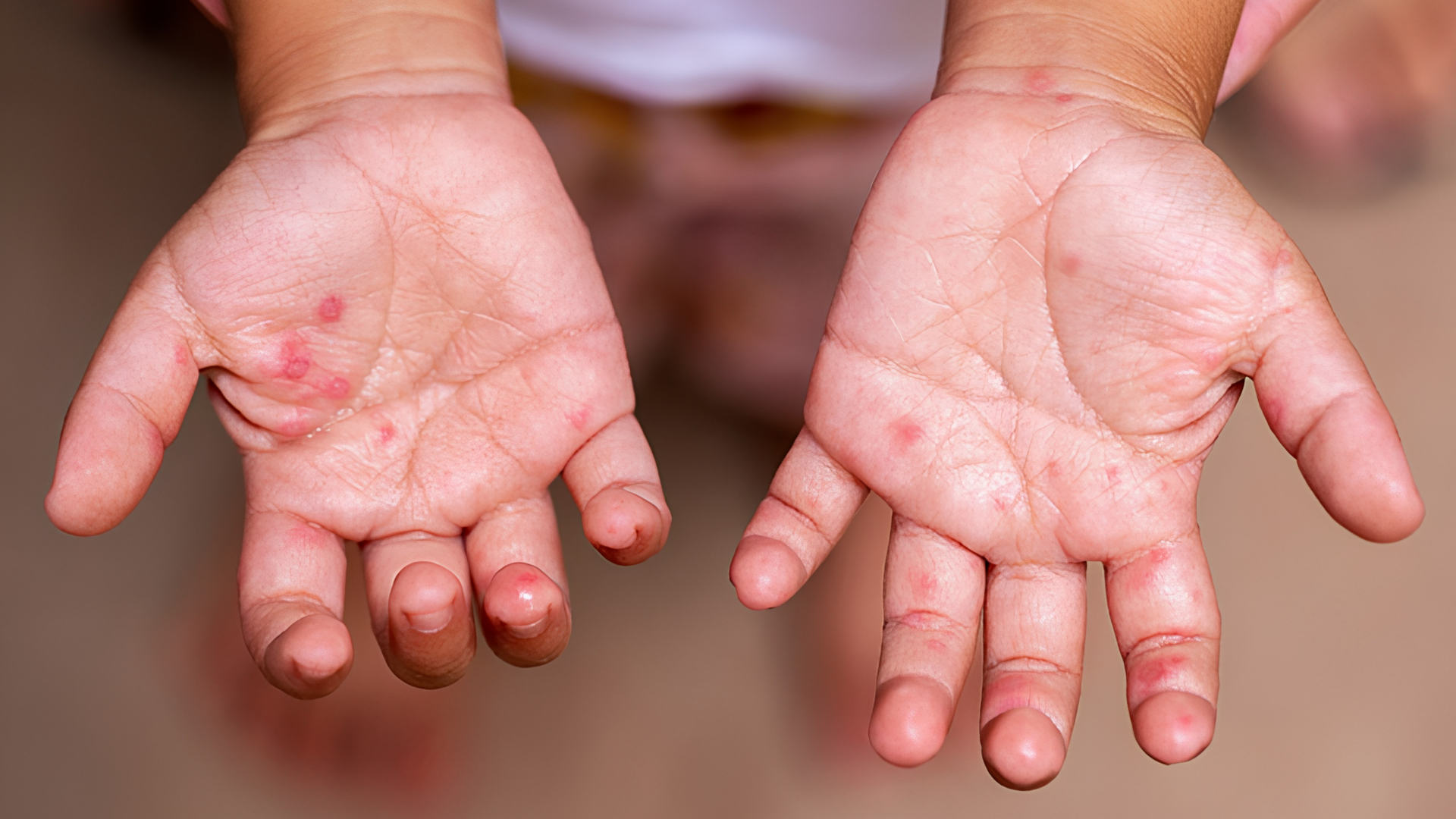
Dengue symptoms may include fever, headache, pain behind the eyes, muscle and joint pain, nausea, vomiting and skin rashes.
Warning signs requiring urgent medical attention include persistent vomiting, severe abdominal pain, bleeding, extreme weakness, rapid breathing, drowsiness and unusual restlessness. These signs may appear when a patient’s fever begins to decline, meaning a lower temperature does not always indicate recovery.