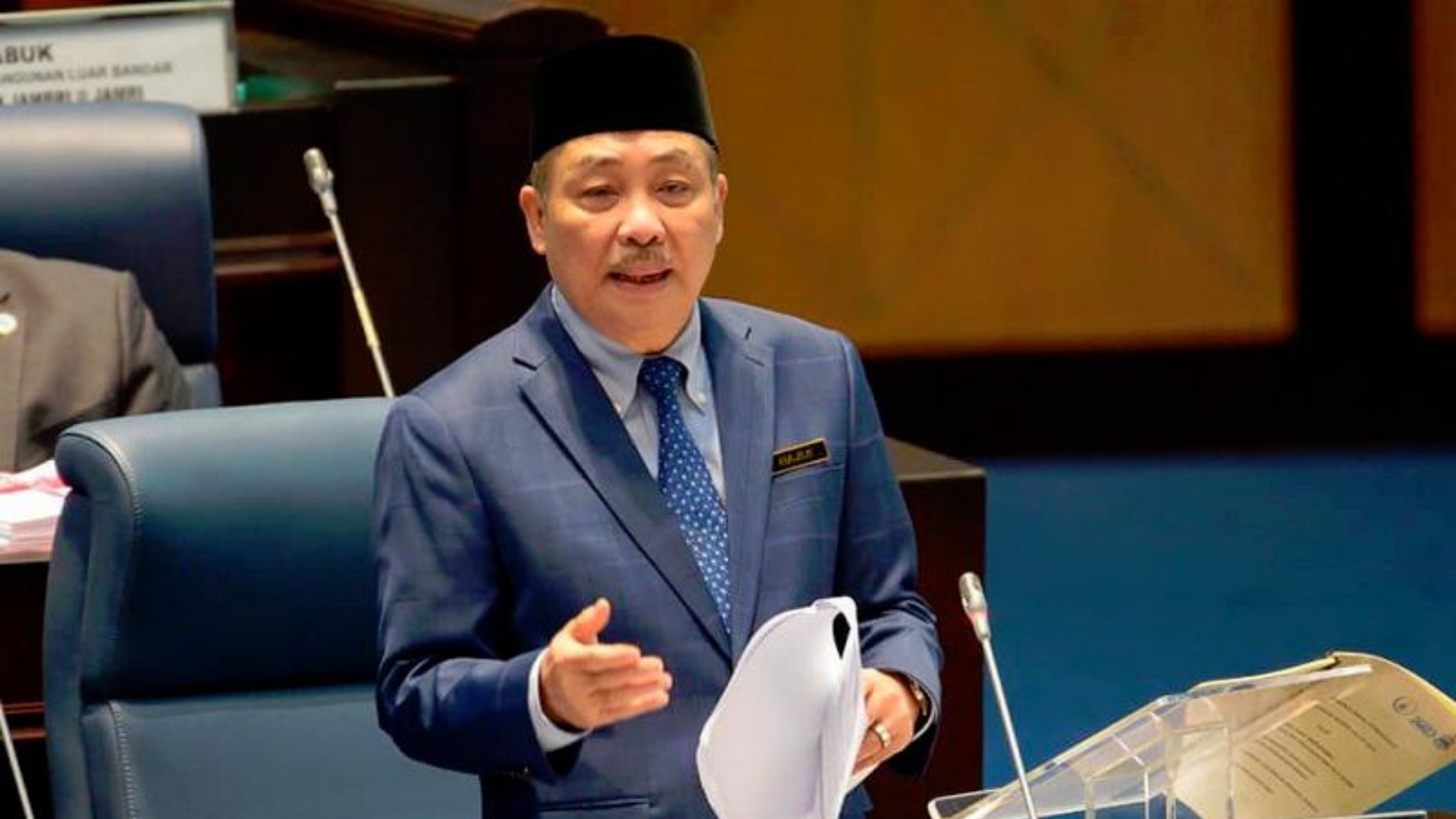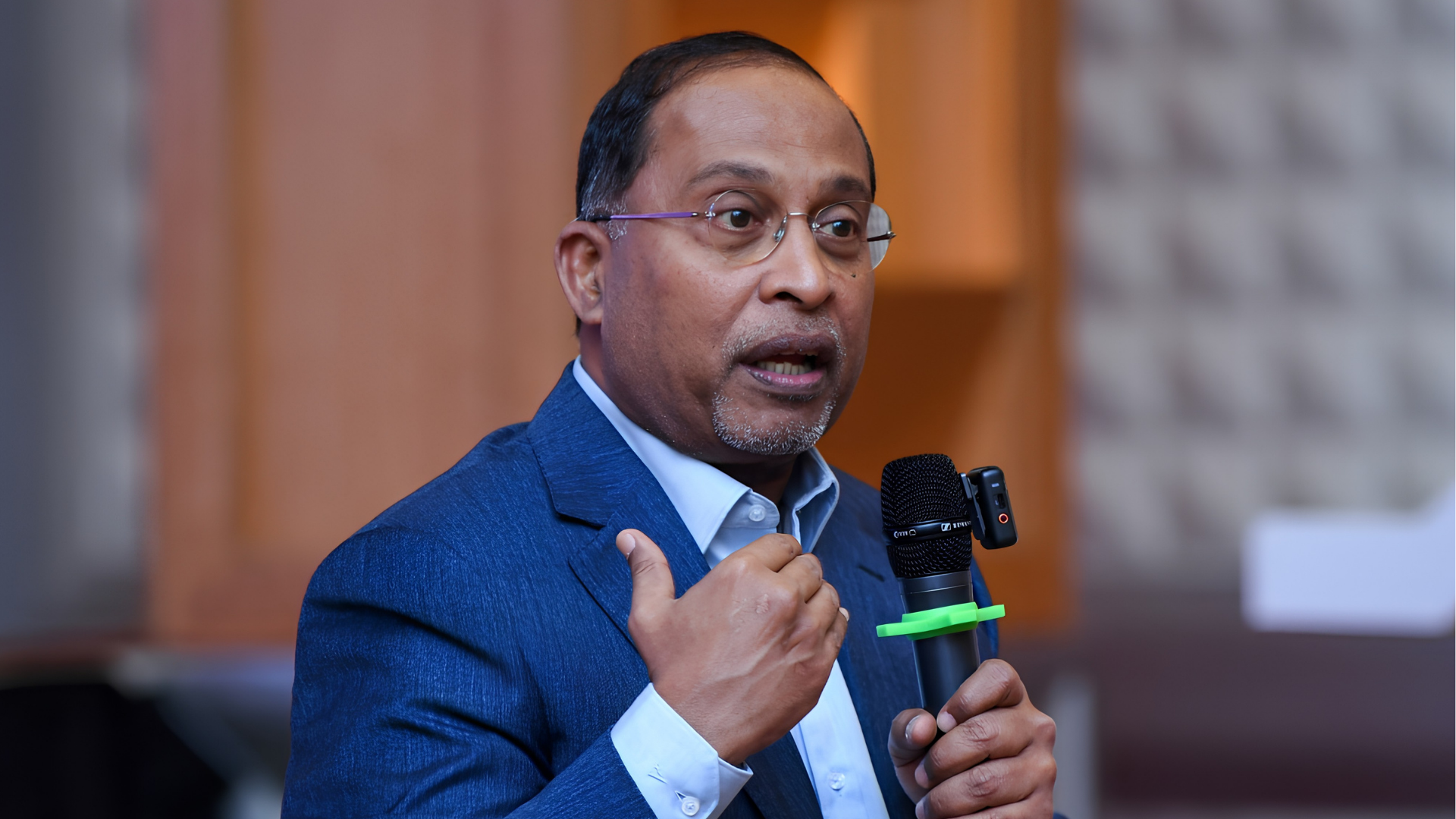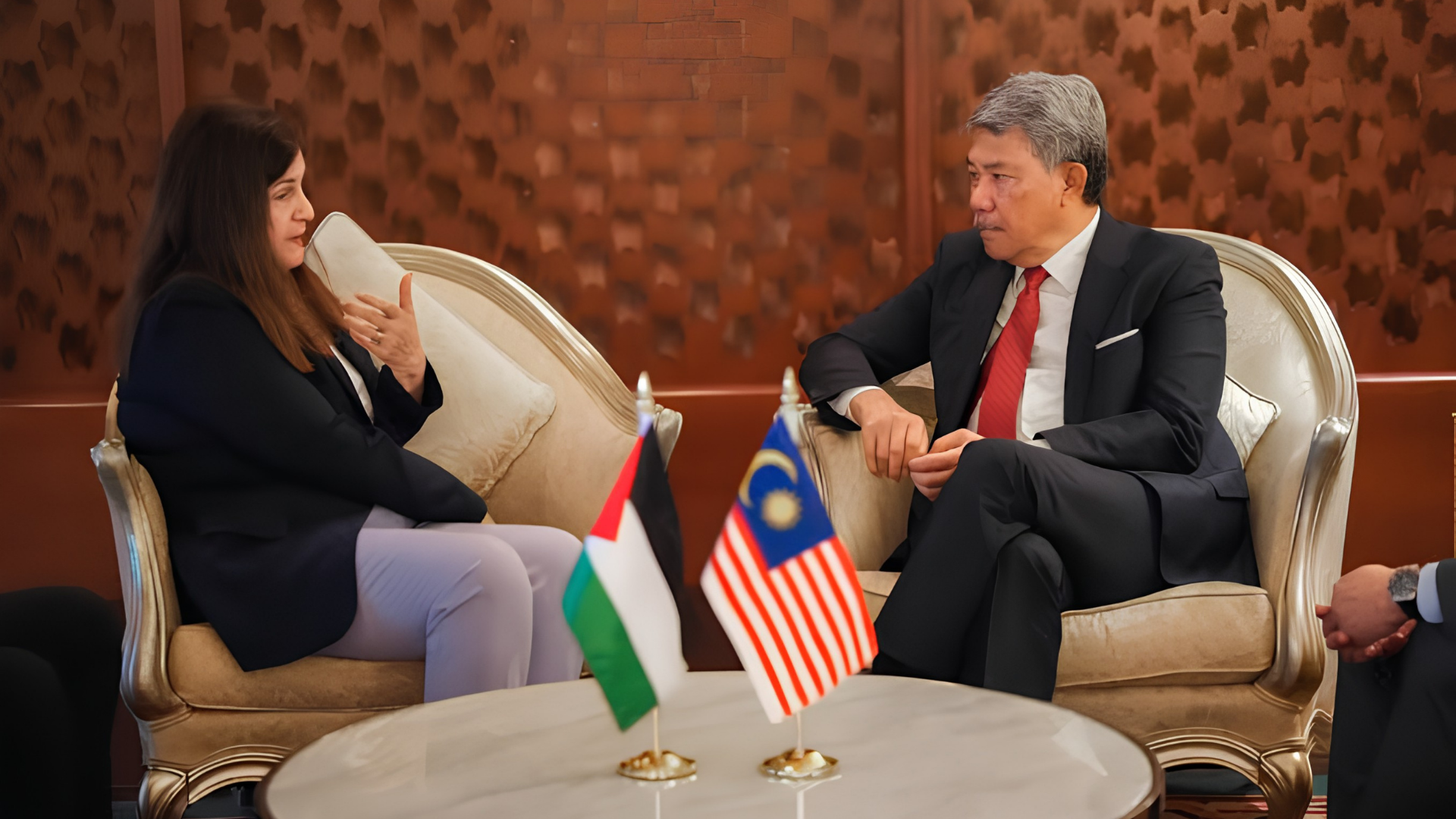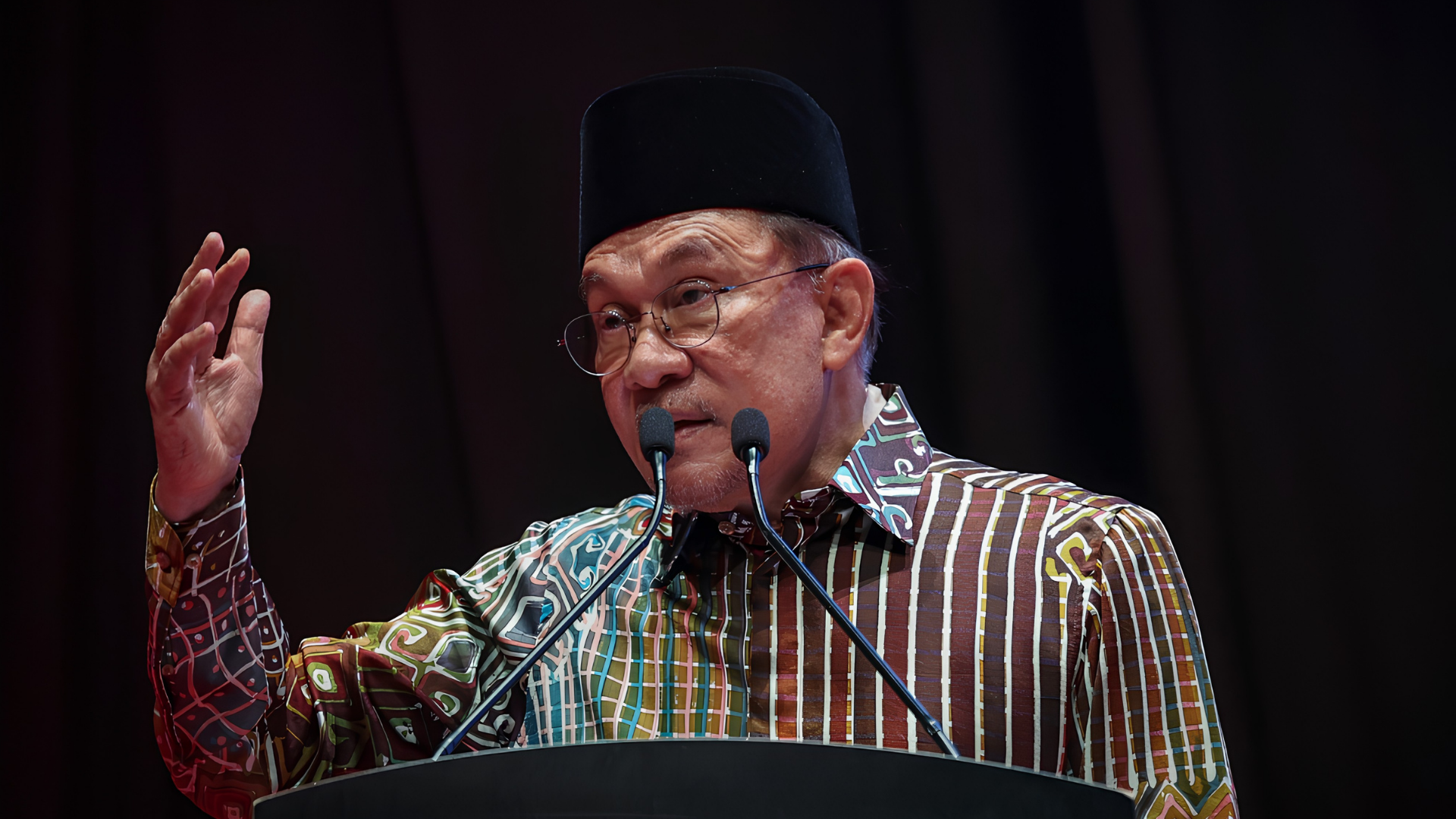
KUALA LUMPUR, JULY 2026 — Islamic outreach movements and waqf institutions in Malaysia must strengthen their command of modern technology, including artificial intelligence and digitalisation, to remain relevant amid rapid global transformation, Prime Minister Datuk Seri Anwar Ibrahim said.
Speaking at the closing ceremony of the 2026 International Waqf and Dakwah Convention at the Kuala Lumpur Convention Centre, Anwar said religious institutions cannot afford to be left behind as technological developments increasingly influence communication, education, administration and public engagement.

However, he stressed that technological progress must be balanced with faith, morality and humanitarian principles. Without strong ethical foundations, he warned that emerging technologies could undermine human dignity, social values and moral responsibility.
Anwar said advances in artificial intelligence, information technology and quantum computing offer enormous opportunities, but their adoption must remain guided by religious teachings, ethical standards and a clear sense of identity.
He emphasised that while society should pursue progress and innovation, it must also remain grounded in faith, good character, culture, language, history and local identity.
According to the Prime Minister, these foundations are essential to ensure that modernisation strengthens society rather than eroding the principles that shape individuals and communities.
Anwar also praised the Malaysian Islamic Welfare Organisation and the Regional Islamic Da’wah Council of Southeast Asia and the Pacific for promoting a more progressive and thoughtful approach to Islamic outreach.
He said the approach, led by Sarawak Premier Tan Sri Abang Johari Tun Openg, could help strengthen unity among Muslims while addressing contemporary challenges, including Islamophobia.
The Prime Minister also expressed support for efforts to modernise Malaysia’s waqf ecosystem through improved governance, digital systems and strategic cooperation among government agencies, religious institutions and other stakeholders.
He said the resolutions introduced during the convention would be examined further by the government before being presented for consideration by the Cabinet and the Conference of Rulers.
The 2026 International Waqf and Dakwah Convention presented three main resolutions.
These included establishing a working consortium to strengthen waqf institutions, expanding the use of technology and digitalisation in waqf management, and developing a more effective waqf ecosystem through stronger governance and strategic partnerships.
The proposals reflect growing efforts to make waqf administration more transparent, efficient and accessible while enabling Islamic institutions to respond more effectively to the needs of modern society.
The adoption of digital platforms could also help institutions improve the collection, management and distribution of waqf resources while reaching a wider segment of the public.
Anwar’s remarks highlight the government’s broader position that technological progress should not be separated from ethical responsibility.
As artificial intelligence becomes increasingly integrated into daily life, education and institutional management, religious organisations are being encouraged to develop the necessary digital capabilities without compromising their fundamental values.
The Prime Minister said the challenge for Islamic institutions is not merely to adopt new technology, but to use it responsibly in ways that protect human dignity, strengthen communities and support the wider public interest.