KUALA LUMPUR, AUGUST 2026 – South Korea has recorded its highest-ever temperature as an extreme heatwave continues to affect large parts of the country, placing public health, essential services and outdoor activities under growing pressure.
The southeastern city of Yangsan recorded 42.5°C on Sunday afternoon, according to the Korea Meteorological Administration. It was the highest temperature reported since modern weather observations began in the country in 1904.

Yangsan has become the centre of the ongoing heatwave, with temperatures exceeding 40°C for five consecutive days. Other major cities, including Daegu and Busan, have also experienced temperatures in the high 30s.
Authorities issued urgent safety warnings in affected areas, advising residents to immediately stop all outdoor activities. The weather agency also warned that indoor spaces without air conditioning could become dangerous during the extreme conditions.
People were instructed to move to cooling centres, shaded locations or air-conditioned buildings, while drinking sufficient water and resting as much as possible.
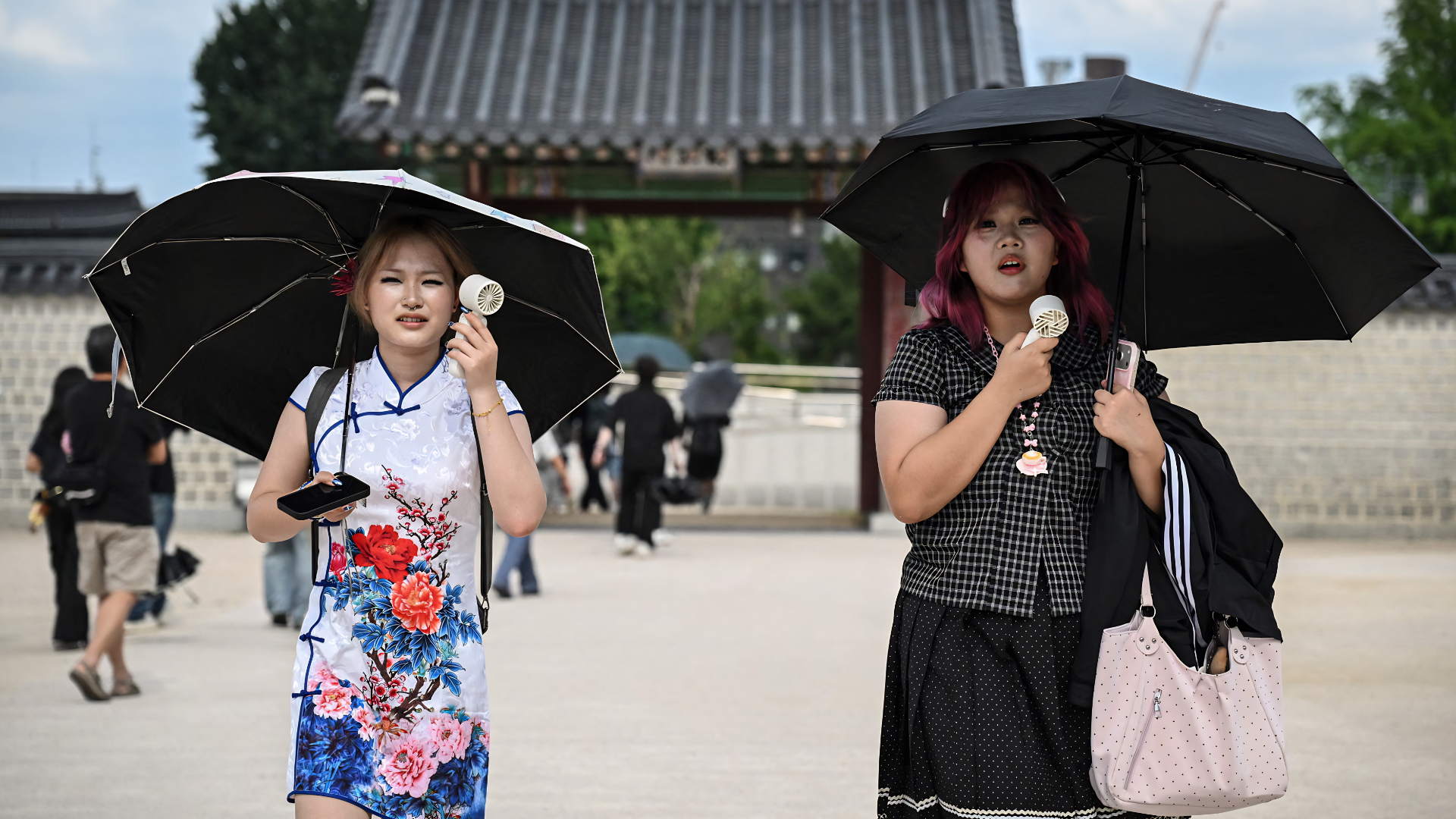
In Seoul, residents sought relief in shopping centres, cafés and public mist-spraying zones as temperatures continued to rise. Many people said outdoor activities had become difficult because of the intense heat.
Gyeongju, located about 240 kilometres southeast of Seoul, recorded 40.3°C, its highest temperature in eight years.
More than 20 locations across South Korea were placed under emergency heatwave alerts on Sunday. The warning category was introduced this year to strengthen the country’s response to increasingly severe temperatures.
An emergency heatwave alert may be issued when an area is forecast to experience a perceived temperature of 38°C or an actual temperature of at least 39°C.
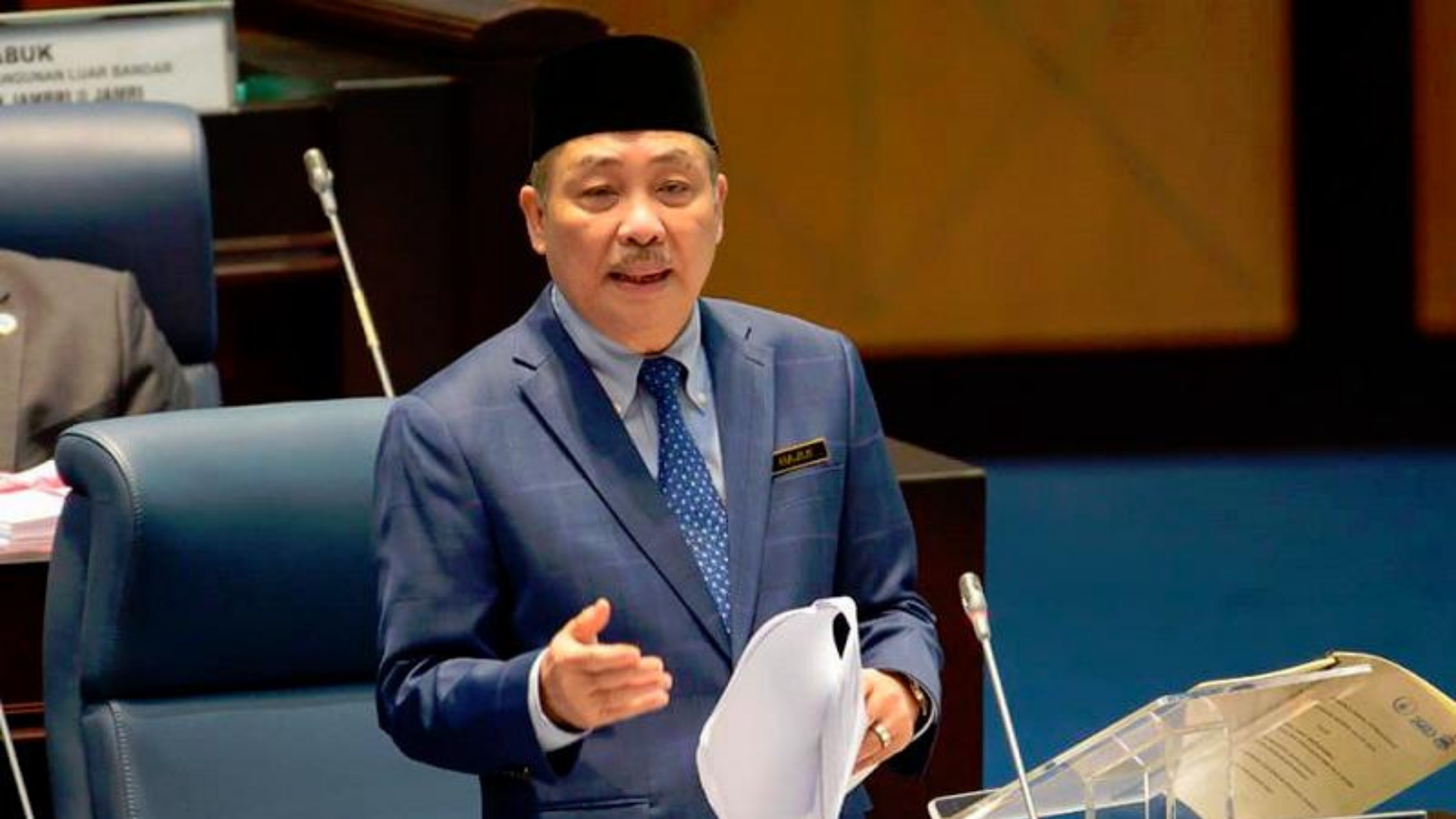
Prime Minister Han Seong-sook ordered local authorities to strengthen safety checks on vulnerable residents, including elderly people and those living alone.
Officials were also instructed to maintain stable electricity and water supplies as demand for air conditioning and cooling services increased.
The weather agency warned that easterly winds could push the extreme heat farther inland, with Seoul forecast to reach 37°C.
Temperatures in South Jeolla and South Gyeongsang were expected to rise above 39°C, creating conditions described as potentially life-threatening.
Extreme heat has also affected North Korea, where temperatures reached approximately 40°C in some areas. Residents in Pyongyang reportedly experienced seven consecutive tropical nights, during which temperatures remained above 25°C.
South Korean authorities are also monitoring Typhoon Dolphin as it moves towards China’s southeastern coast.
The typhoon’s direction could influence how long the heatwave continues. A path towards eastern China may increase humidity and worsen tropical nights, while a route closer to the Korean peninsula could bring cloud cover, stronger winds and rain that temporarily reduce temperatures.
The extreme conditions have disrupted sporting events. South Korea’s professional baseball league cancelled a match in Changwon after temperatures reached 39.5°C.
It was the second consecutive cancellation in the city, with organisers saying the health and safety of players and spectators remained the main priority.
Data from the weather agency showed that South Korea experienced an annual average of 19 heatwave days during the past five years, more than double previous levels.
A heatwave day in South Korea is defined as a day when the maximum temperature reaches at least 33°C.
Scientists have repeatedly warned that human-driven climate change is making extreme weather events, including severe heatwaves, more frequent and intense.
The return of El Niño this year may also be contributing to higher temperatures by warming surface waters in the Pacific Ocean and influencing weather patterns across the region.