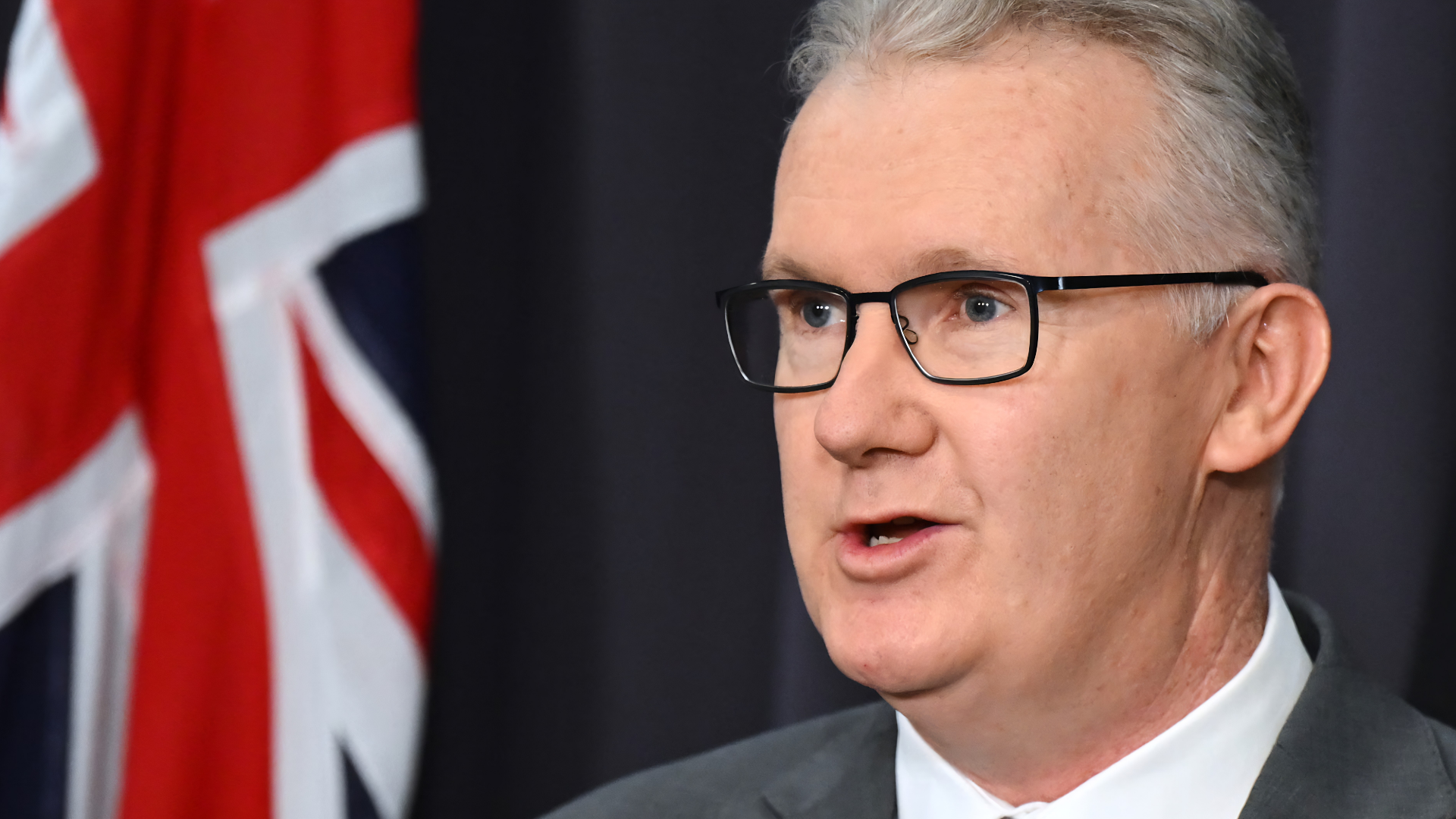
KUALA LUMPUR, AUGUST 2026 – Australian Deputy Prime Minister Richard Marles has rejected suggestions that Home Affairs Minister Tony Burke’s major address on immigration reform was cancelled, insisting that the speech was merely moved to a later date.
Burke had been scheduled to speak at the National Press Club about the Albanese government’s management of Australia’s migration system, but the appearance was postponed before it could take place.

Marles said changes to the schedules of senior government ministers were routine and should not be interpreted as evidence that the government had abandoned its planned migration reforms.
He said Burke would deliver the address at the earliest available opportunity and would outline the government’s broader approach to immigration policy.
The government said some elements of the speech had not been finalised in time for the original date.
Officials indicated that the rescheduled address would likely take place within the following two weeks and would examine the migration system as a whole rather than focus on a single policy measure.
Labor is preparing new rules intended to reduce net overseas migration and encourage more temporary residents to leave Australia once their visas expire.
However, government sources said the measures may not push migration below the targets already included in federal economic forecasts.
Potential changes could include tighter conditions for working holiday visas, revisions to family visa applications and limits on certain appeal rights available to overseas migrants.
The government is also seeking to adjust the balance of the migration programme so it better reflects labour-market needs while addressing public concern over population growth, housing and infrastructure pressure.
Australia’s permanent migration target remains at 185,000 places for the 2025–26 financial year, unchanged from the preceding year.
At the same time, the government has increased visa charges and introduced stricter requirements in parts of the international education and temporary migration systems.
International postgraduate students are now required to pay a visa application fee of A$5,750 following a series of increases introduced during 2026.
The government has presented the higher charges and other restrictions as part of a wider effort to improve the integrity and sustainability of the migration system.
Australian Bureau of Statistics data showed that net overseas migration had fallen to approximately 301,000, down about 45% from its post-pandemic peak in 2023.
Federal budget forecasts expect the figure to decline further to 295,000 during the current financial year, followed by 245,000 and 225,000 in subsequent years.
Migration has become an increasingly sensitive political issue in Australia as the government faces pressure from the Coalition and One Nation to adopt tougher restrictions.
Opinion polling has shown growing support for One Nation, increasing pressure on Labor to demonstrate that it is responding to public concerns without undermining industries that rely on migrant workers.
Energy Minister Chris Bowen said the government needed to maintain a carefully balanced system because many businesses depend on migrant labour to fill positions that cannot easily be supplied by the domestic workforce.
Refugee advocates have urged the government not to use migrants as political targets.
The Asylum Seeker Resource Centre warned that blaming migration would not resolve Australia’s housing shortage, cost-of-living pressures or rising household expenses.
The opposition accused Labor of creating confusion by postponing Burke’s address and argued that the government was acting only after facing mounting political pressure.
Marles maintained that the delay was administrative rather than political and said the planned speech remained part of the government’s migration-policy agenda.