KUALA LUMPUR, AUGUST 2026 — A federal judge has removed the remaining legal block on President Donald Trump’s March 2026 executive order on mail-in voting, clearing the way for the administration to begin implementing the measure while new court challenges continue.
The judge had previously blocked one of the order’s most controversial provisions, which envisioned using the US Postal Service (USPS) to help verify whether people receiving mail ballots were registered and eligible voters. The restriction was lifted after the Supreme Court ruled that challenges brought by several states were premature because the order had not yet formally changed how they administer elections.

Trump’s executive order directs the Department of Homeland Security to develop a federal citizenship database for states, instructs the Justice Department to target officials who provide ballots to noncitizens, and sets new requirements involving the design and tracking of mail ballots.
One proposal would have required states to provide lists of eligible registered voters to USPS, with postal workers delivering ballots only to people appearing on those lists. Democratic state attorneys general and voting-rights groups argued that such a system could interfere with states’ constitutional authority to administer elections.
However, the Supreme Court stressed that its ruling did not determine whether future implementation of Trump’s order would ultimately be lawful. The decision focused on whether the states had standing to challenge the policy before it had directly affected election administration.
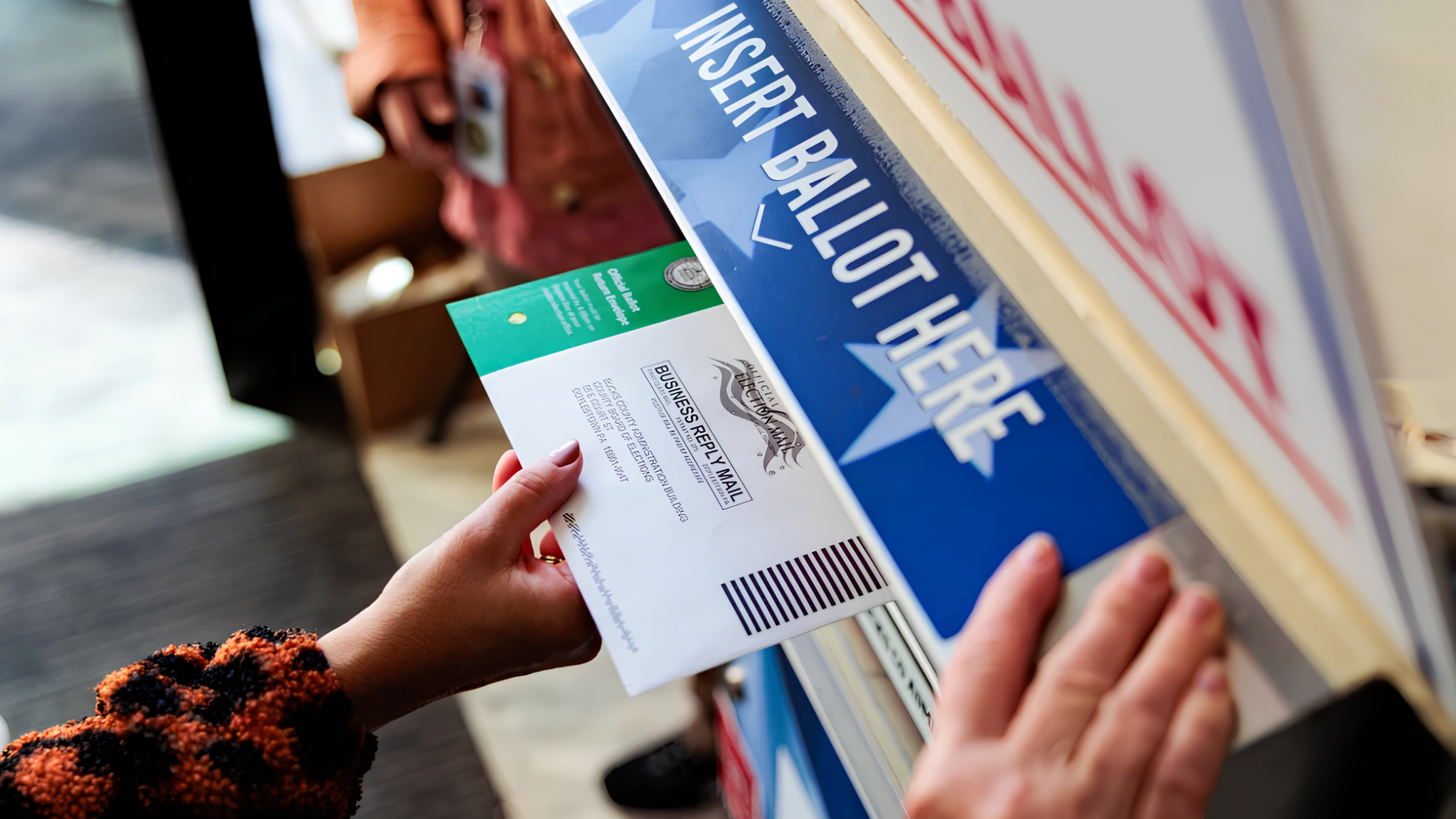
USPS has since released its final plan for the November 2026 elections, which significantly scales back some of the original proposals. The agency said it will not determine voter eligibility, maintain voter rolls or count ballots. Instead, it plans to focus on ballot design standards, barcode tracking and voter address information used for delivery verification.
Legal disputes are far from over. Twenty-five states filed another lawsuit against USPS on Wednesday, arguing that the new requirements interfere with state election laws, create functions beyond the Postal Service’s legal authority and potentially violate federal privacy and voting-rights protections.