KUALA LUMPUR, AUGUST 2026 — Malaysia and Pakistan have formally signed an International Transfer of Prisoners Treaty (ITOP) aimed at strengthening legal and security cooperation while providing a framework for eligible prisoners to complete their sentences in their respective home countries.
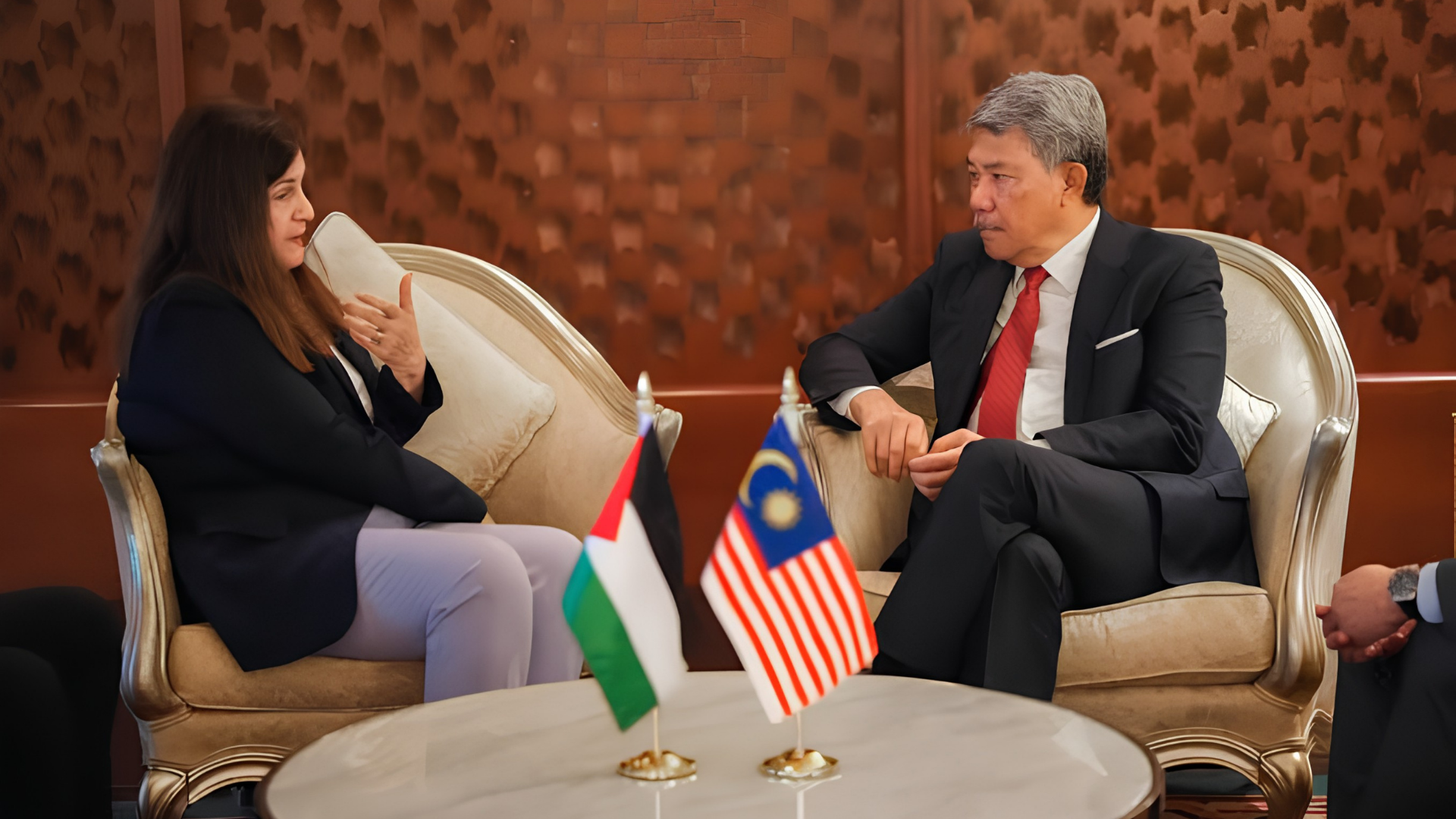
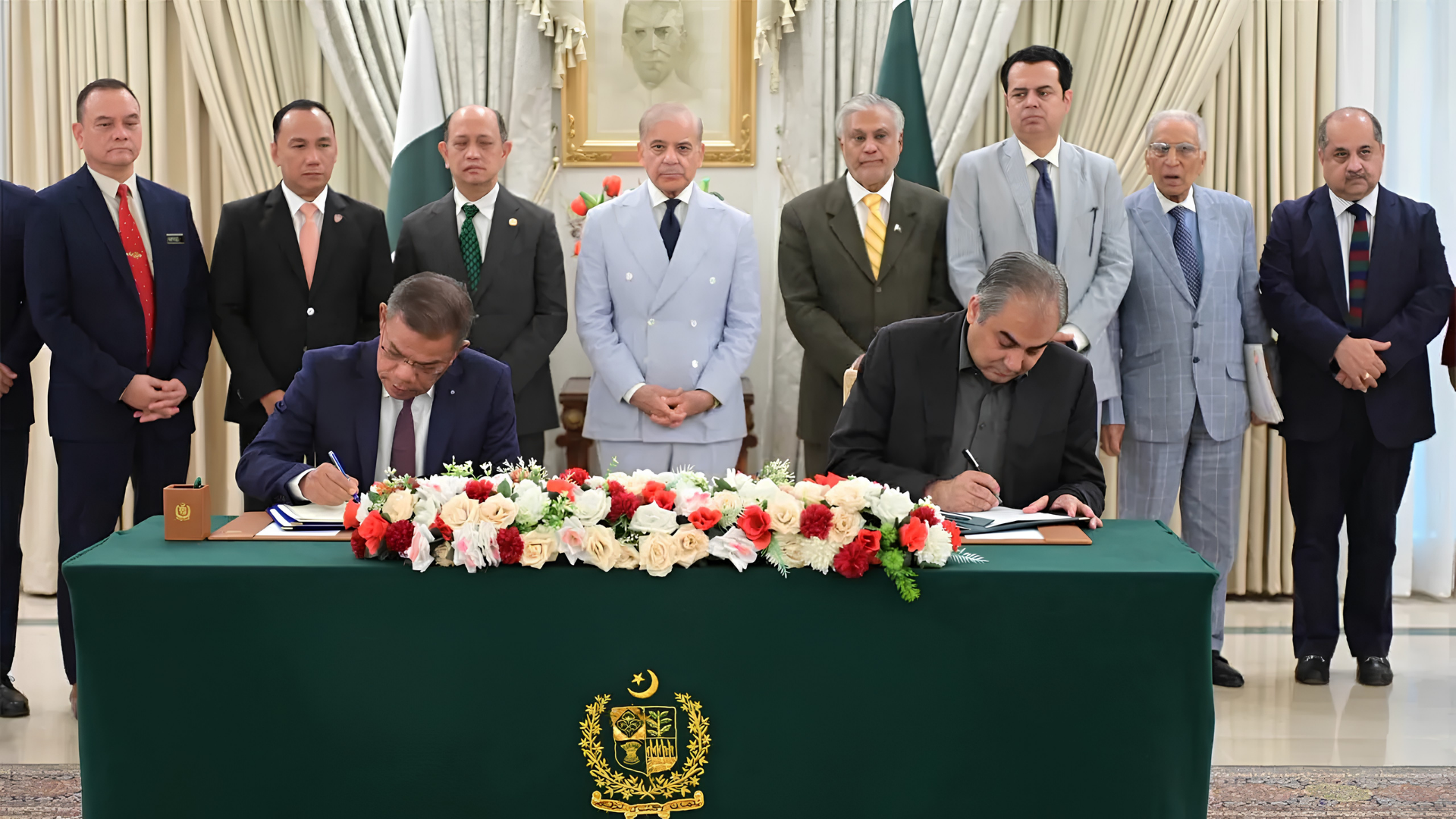
The treaty was signed by Malaysian Home Minister Datuk Seri Saifuddin Nasution Ismail and Pakistan’s Interior and Narcotics Control Minister Syed Mohsin Raza Naqvi following Saifuddin Nasution’s courtesy call on Pakistani Prime Minister Muhammad Shehbaz Sharif.

The signing ceremony took place at the Prime Minister’s Office in Pakistan and was witnessed by Shehbaz. Saifuddin Nasution described the agreement as another important milestone in longstanding Malaysia-Pakistan relations, particularly in the areas of security and law.
The agreement is the result of five rounds of negotiations conducted since September 2025.
The discussions involved several Malaysian agencies, including the Home Ministry, Foreign Ministry, Attorney General’s Chambers, Malaysian Prisons Department and Royal Malaysia Police.
Malaysia’s Cabinet gave its approval to the treaty on May 13, 2026, paving the way for its formal signing with Pakistan.
The negotiations reflect efforts by both governments to establish a formal legal mechanism governing how sentenced prisoners may be transferred between the two countries.
Under the treaty, Malaysian nationals serving prison sentences in Pakistan may be transferred back to Malaysia to complete the remainder of their sentences.
Likewise, Pakistani nationals imprisoned in Malaysia may be transferred to Pakistan to continue serving their sentences there.
The arrangement does not mean prisoners are automatically released or have their convictions cancelled. Rather, eligible prisoners remain subject to their sentences after being transferred to their country of nationality.
Malaysia already has a domestic legal framework for such arrangements under the International Transfer of Prisoners Act 2012 (Act 754).
Saifuddin Nasution said the mechanism would also enable transferred prisoners to participate in rehabilitation programmes within a more suitable social and cultural environment in their home countries.
The approach is intended to support rehabilitation and eventual reintegration by allowing prisoners to remain closer to their families, language, culture and community.
Malaysia’s longstanding policy on international prisoner transfers has similarly emphasised social rehabilitation and reintegration by allowing eligible inmates to serve the remainder of their sentences in their countries of origin.
International prisoner transfers are not automatic.
Under Malaysia’s International Transfer of Prisoners Act, several requirements can apply before a transfer is approved. These include consent from the relevant Malaysian and foreign authorities, sufficient time remaining on the prisoner’s sentence and, where required by the applicable treaty, the prisoner’s consent.
The law also allows the Malaysian minister responsible to refuse a transfer under certain circumstances, including where the transfer could affect national sovereignty, security, public order or other essential public interests.
Specific transfers between Malaysia and Pakistan will therefore remain subject to the treaty’s terms as well as the applicable domestic laws and administrative processes of both countries.
Saifuddin Nasution said the ITOP treaty adds another formal legal instrument to the longstanding relationship between Malaysia and Pakistan.
The agreement reflects both countries’ commitment to expanding bilateral cooperation beyond traditional diplomatic and economic ties into areas including law enforcement, prison administration, public security and rehabilitation.
Pakistan had previously indicated that negotiations on such an agreement were at an advanced stage, particularly as its government sought a mechanism to address Pakistani nationals serving sentences in Malaysia.
The signing is expected to provide both governments with a clearer legal pathway for handling applications involving eligible sentenced nationals.
For Malaysia, the agreement also forms part of its broader use of international prisoner-transfer arrangements designed to balance law enforcement requirements with rehabilitation and reintegration objectives.
With the treaty now signed, the next focus will be on its implementation and the processing of eligible cases in accordance with the agreed legal framework.
The agreement ultimately strengthens Malaysia-Pakistan cooperation while enabling qualifying prisoners to complete their sentences closer to their families and communities without removing the legal consequences of their convictions.