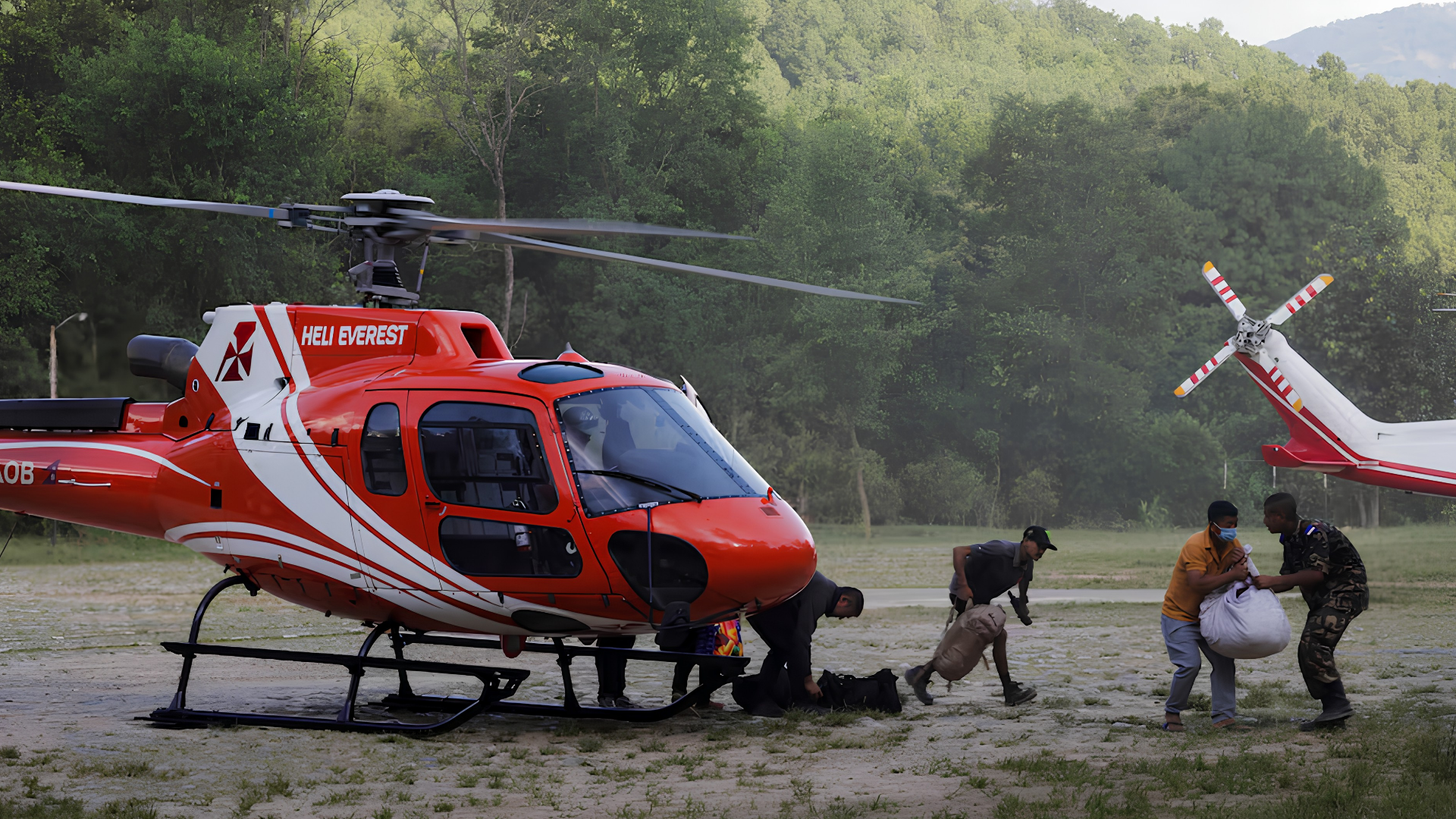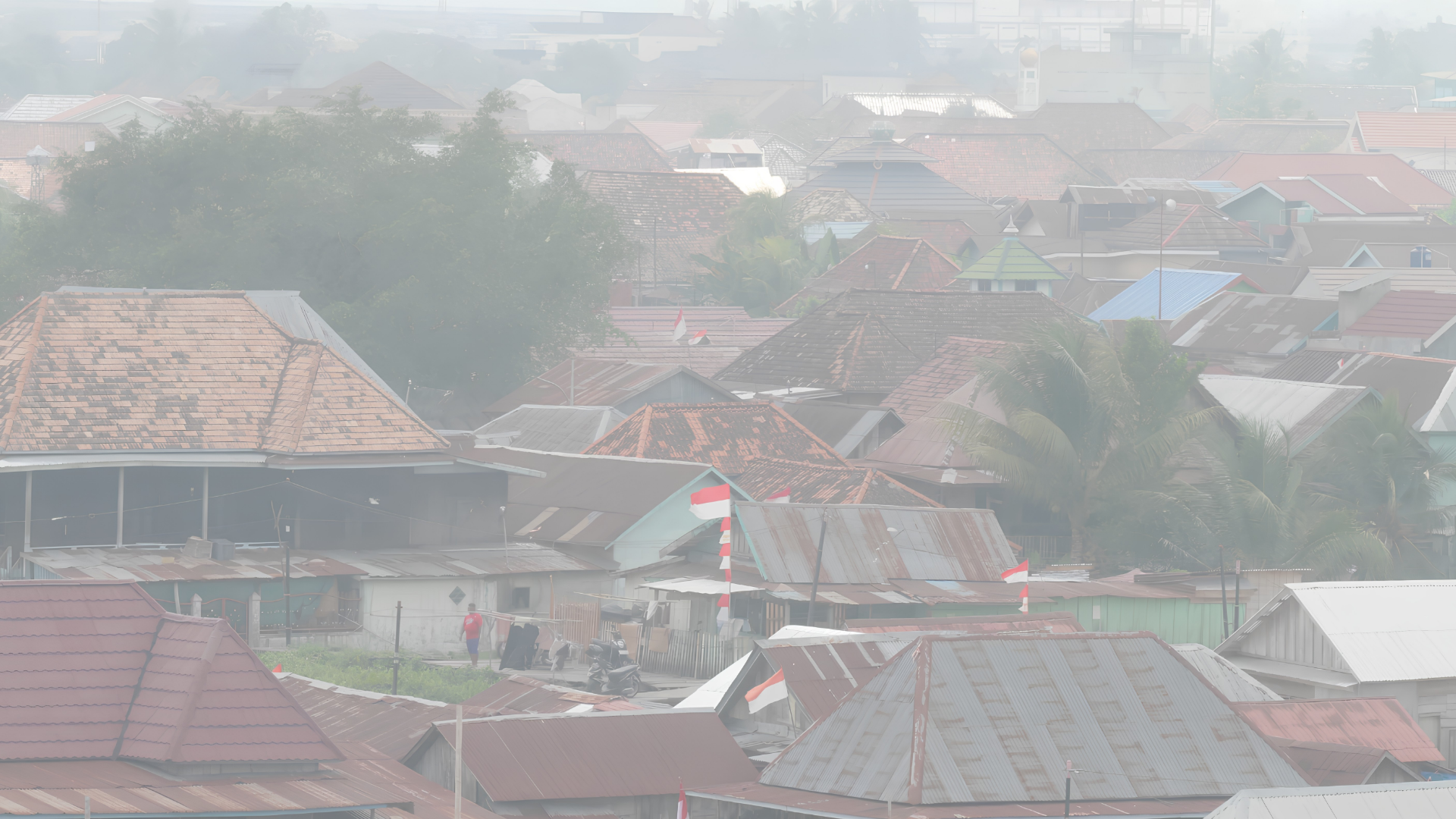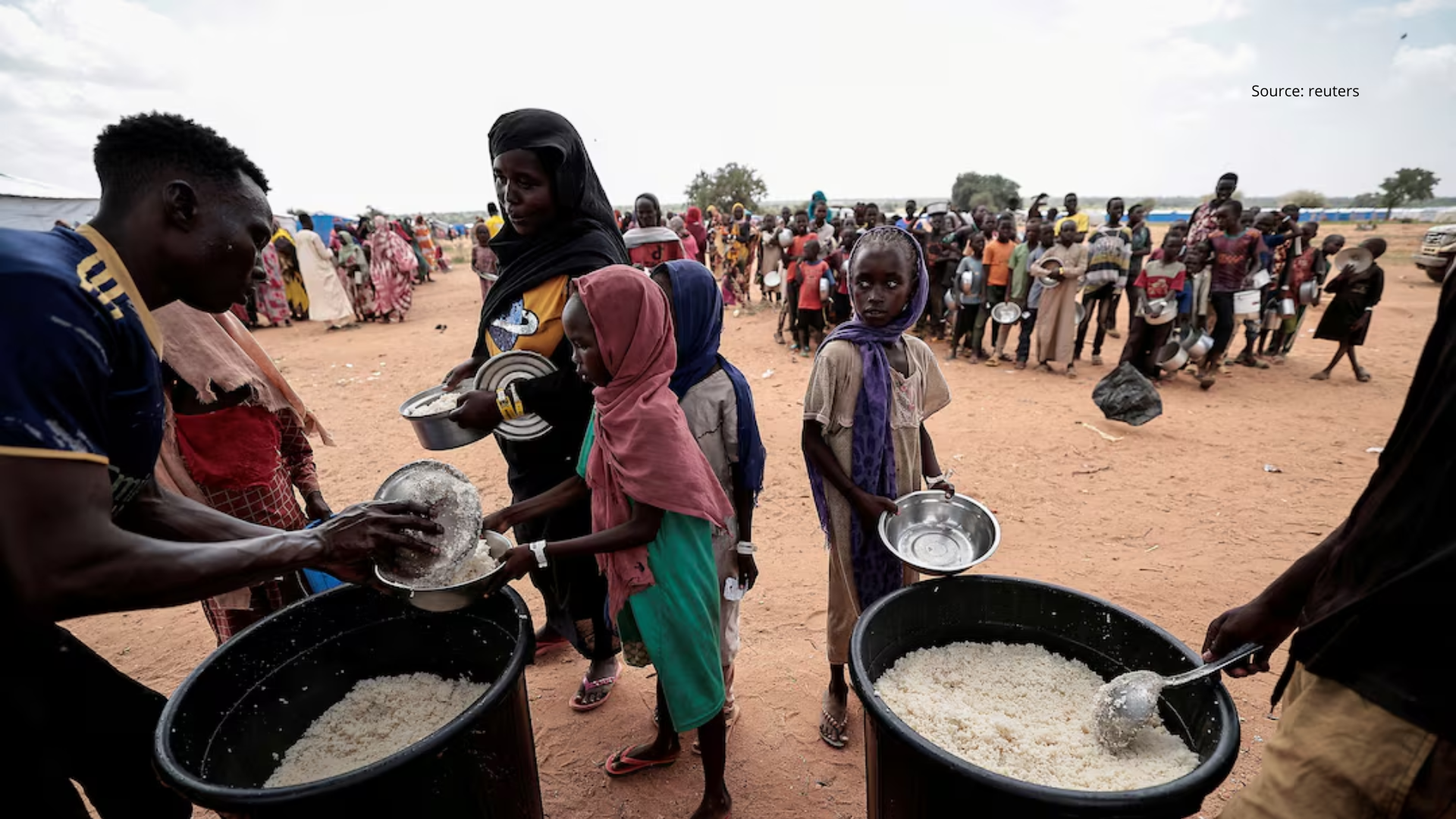
Global, El Sky News — International Federation of Red Cross and Red Crescent Societies (IFRC) has announced a significant reduction in its 2026 global humanitarian aid appeal, cutting the target by 400 million Swiss francs, despite a sharp rise in humanitarian needs worldwide. The decision reflects growing financial constraints faced by international aid organizations as donor fatigue, economic pressures, and competing global priorities continue to limit available funding.
Funding Reduced Amid Rising Global Needs

According to IFRC officials, the revised appeal comes at a time when armed conflicts, climate-related disasters, forced displacement, and public health emergencies are intensifying across multiple regions, including parts of Africa, the Middle East, Asia, and Latin America.
The federation acknowledged that humanitarian demands in 2025–2026 are among the highest recorded in recent decades, yet financial contributions from governments and institutional donors have not kept pace with these needs.
“This is not a reduction in humanitarian need, but a reflection of what we realistically expect to receive,” an IFRC spokesperson said, emphasizing that funding gaps are forcing difficult operational decisions.
Shift in Strategy: Local Leadership and Worker Protection
In response to reduced funding, IFRC stated it will recalibrate its priorities, placing stronger emphasis on:
- Locally led humanitarian responses, empowering national Red Cross and Red Crescent societies to lead operations within their own communities
- Protection and safety of aid workers, amid increasing security risks in conflict zones
- More targeted interventions focused on life-saving assistance rather than large-scale, long-term programs
The organization believes that strengthening local capacity will allow aid to be delivered more efficiently, quickly, and sustainably, even as overall resources decline.
Growing Risks for Humanitarian Workers
The funding cut also comes as humanitarian workers face heightened risks, including attacks, kidnappings, and restrictions on access in conflict-affected regions. IFRC warned that without adequate resources, ensuring staff safety and maintaining neutral humanitarian access will become increasingly difficult. In 2025 alone, several aid agencies reported a rise in security incidents involving humanitarian personnel, underscoring the urgent need for additional protections and international support.
Broader Humanitarian Context
The IFRC funding reduction highlights a broader crisis within the global humanitarian system. United Nations agencies and non-governmental organizations have repeatedly warned that humanitarian appeals are being underfunded worldwide, even as climate change accelerates extreme weather events and geopolitical instability fuels displacement.
Experts note that global attention and resources have been stretched by prolonged conflicts, economic slowdowns, and rising domestic pressures in donor countries, contributing to reduced overseas aid budgets.
Calls for Renewed International Commitment
Despite the cut, IFRC leadership stressed that humanitarian principles remain unchanged and called on governments, private donors, and international partners to renew their commitment to humanitarian financing.
“Lives depend on predictable and adequate funding,” the organization said in a statement, warning that prolonged funding shortfalls could leave millions without access to food, shelter, healthcare, and emergency relief.
Outlook for 2026
As the organization enters 2026 with a lower funding target, IFRC says it will continue to adapt its operations while advocating for sustained international support. The federation emphasized that humanitarian needs are not diminishing, and that global solidarity will be critical to prevent further suffering.
(Lunar)