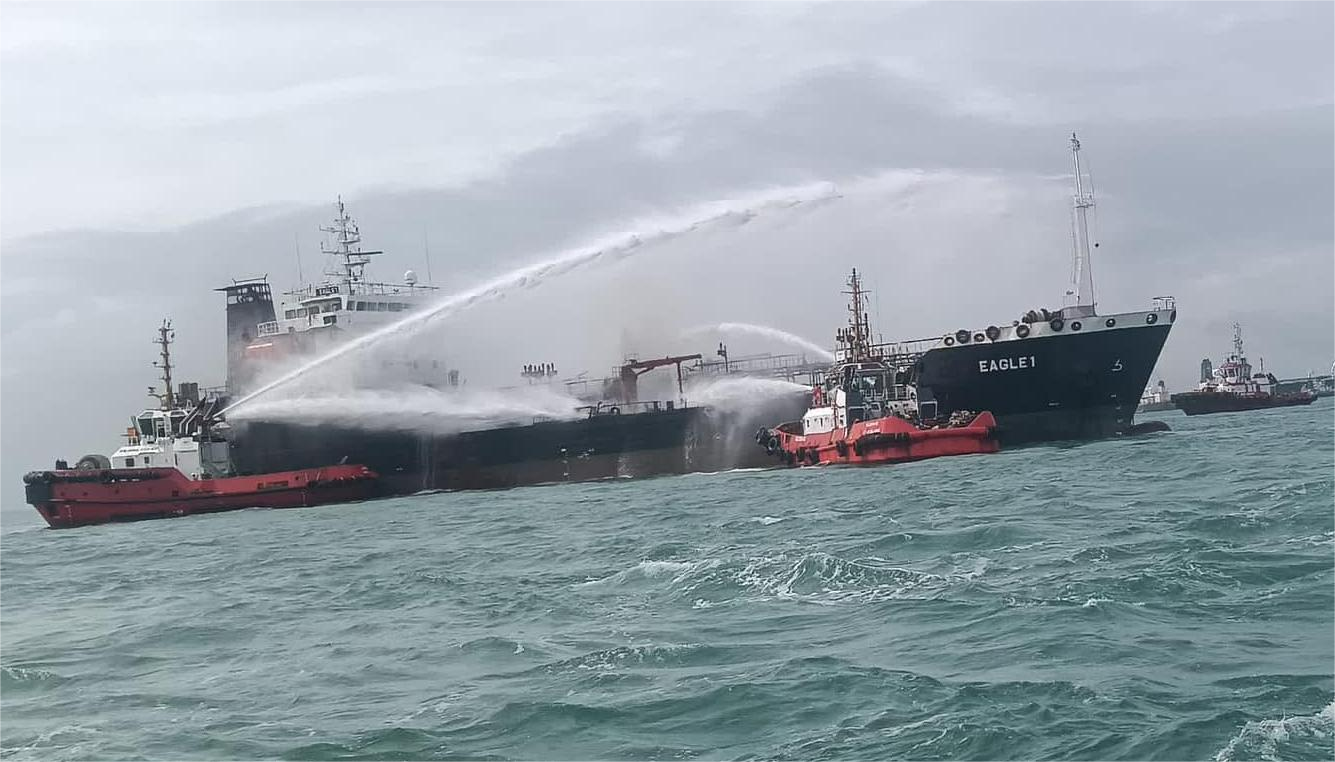
TEL AVIV/WASHINGTON, March 31 — A giant crude oil tanker was struck and set on fire near the coast of Dubai in what officials say was an Iranian attack, marking a major escalation in the rapidly intensifying conflict in the Middle East. The incident occurred amid rising tensions between Iran, the United States, and Israel over control of the strategically vital Strait of Hormuz.
According to reports, the Kuwait-flagged tanker carrying roughly two million barrels of crude oil was hit by an apparent drone or missile strike while sailing off the Dubai coastline. The attack triggered a large blaze on board the vessel, though early reports indicated that no casualties were immediately confirmed. The cargo on the tanker is estimated to be worth more than US$200 million, highlighting the potential economic impact of the strike.

The attack is the latest in a series of maritime incidents targeting commercial vessels in the Persian Gulf and the Strait of Hormuz, one of the world’s most critical oil transit routes. The narrow waterway handles roughly 20 percent of global oil shipments, making any disruption a major concern for global energy markets and international trade.
The incident comes just days after escalating military exchanges between Iran and the US-Israel alliance. The broader conflict began intensifying after US and Israeli forces launched strikes on Iranian targets in late February, triggering retaliatory missile and drone attacks across the region.
In response to the tanker attack and ongoing tensions, Donald Trump issued a stark warning to Tehran, stating that the United States could destroy Iran’s energy facilities, including oil wells and power plants, if the country fails to reopen the Strait of Hormuz and reduce hostilities.
Trump has repeatedly pressured Iran to allow commercial shipping to resume through the vital waterway, arguing that the blockade threatens global energy stability and economic security. However, Iranian officials have rejected the US demands, calling Washington’s proposals unrealistic while continuing military operations in the region.
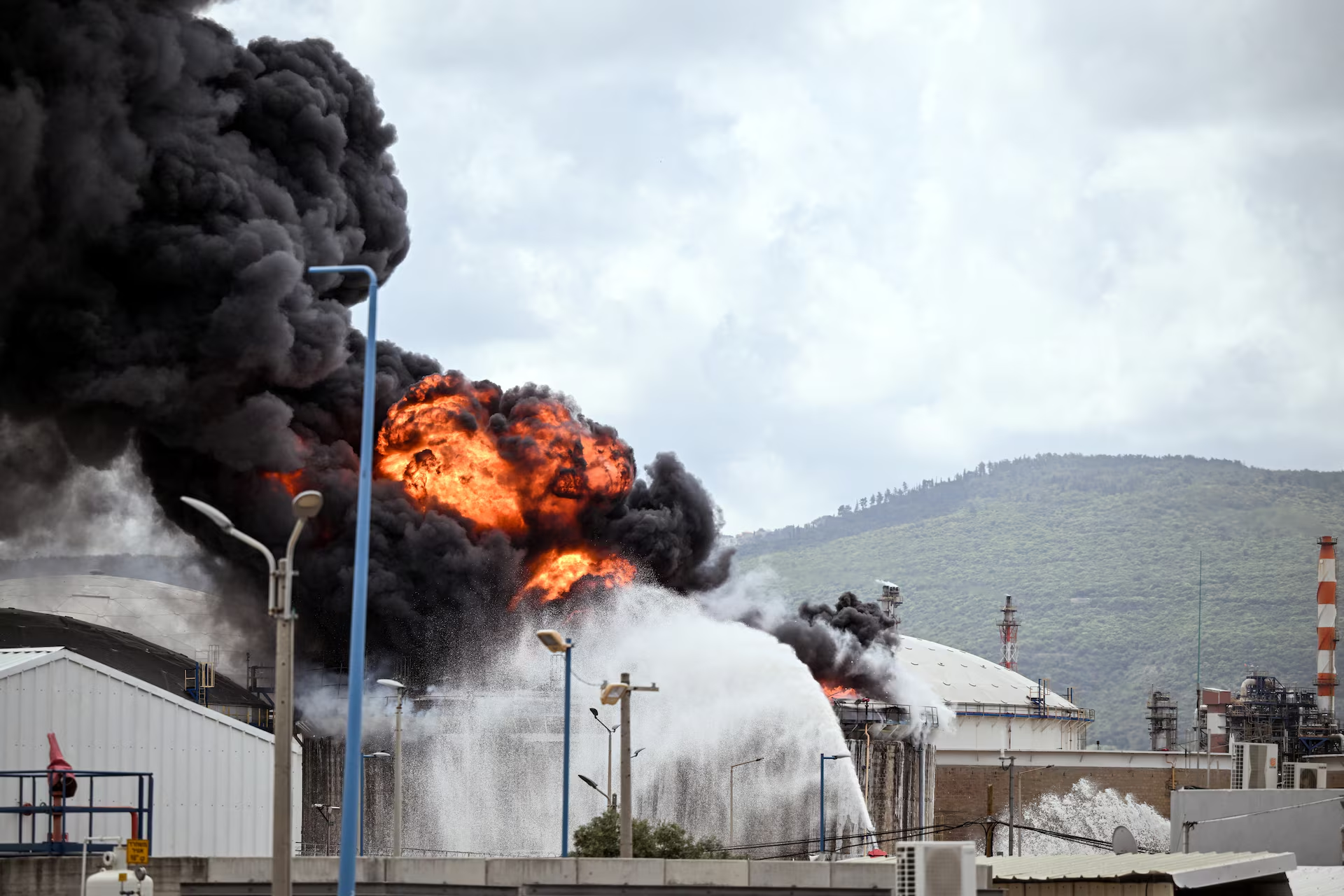
The escalating confrontation has raised fears of a wider regional conflict. Analysts warn that attacks on oil infrastructure or commercial tankers could significantly disrupt global supply chains and push energy prices even higher. In recent days, crude oil prices have surged amid concerns that shipping disruptions in the Gulf could lead to shortages in international markets.
The situation has also triggered increased military activity in the region. Thousands of US troops, including elements from the 82nd Airborne Division, have reportedly been deployed to the Middle East as Washington prepares for potential escalation.
Meanwhile, missile exchanges between Iran and Israel, along with attacks involving regional proxy groups, have intensified across several countries including Lebanon and Yemen. The growing scope of the conflict has heightened fears among global leaders that the crisis could spiral into a broader war involving multiple regional powers.
International observers say the attack on the tanker underscores how vulnerable global energy supply chains have become during the ongoing crisis. With the Strait of Hormuz serving as a key shipping corridor for oil exports from the Gulf, even isolated incidents could send shockwaves through global financial and commodity markets.
For now, diplomatic efforts are continuing behind the scenes as world leaders attempt to prevent the conflict from escalating further. However, with military tensions rising and critical energy infrastructure increasingly targeted, the risk of a broader confrontation in the Middle East remains high.