WASHINGTON, March 31 — The United States has sharply criticised the World Trade Organization (WTO) after international trade negotiations failed to extend a long-standing moratorium that prevented countries from imposing tariffs on electronic transmissions such as digital downloads, streaming services, and online software.
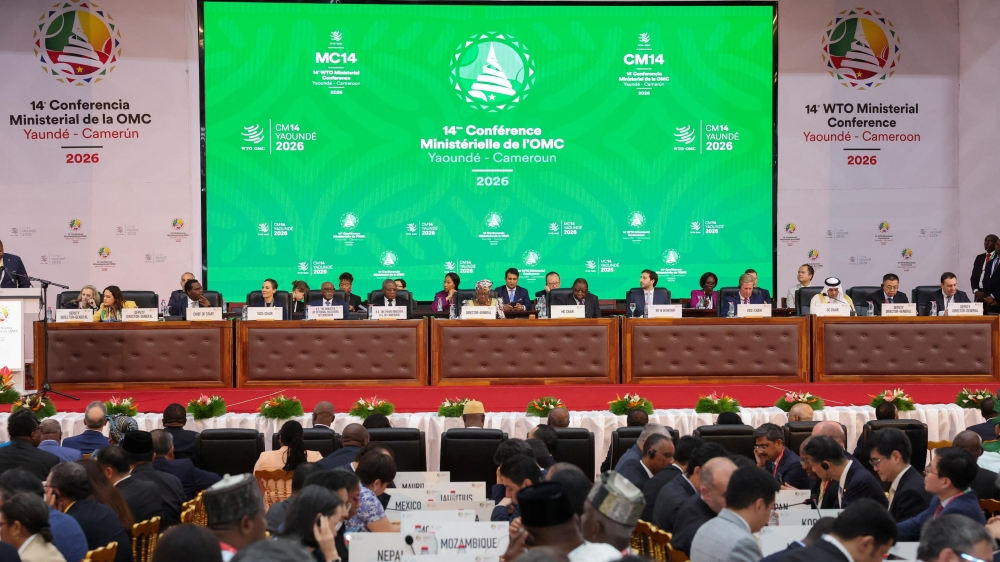
The criticism came from US Trade Representative Jamieson Greer, who expressed disappointment following the collapse of talks at the WTO’s ministerial conference held in Yaoundé, Cameroon. The discussions ended without agreement to renew the moratorium, which had been in place since 1998 and was traditionally extended every two years.

In a statement issued after the meeting, Greer questioned the relevance of the WTO in modern trade negotiations, saying the organisation may only play a limited role in shaping future global trade policy. He also noted that the failure to extend the agreement highlighted the deep divisions among WTO members on digital trade rules.
The moratorium had effectively banned customs duties on electronic transmissions for nearly three decades, covering a wide range of digital goods and services such as software downloads, music streaming, films, e-books, and video games. Supporters of the agreement argue that maintaining the ban helps support global digital commerce and ensures that cross-border online trade remains accessible and predictable.
However, several countries opposed extending the moratorium, arguing that it prevents developing economies from collecting valuable tariff revenue from digital imports. Some governments believe that removing the ban would allow them to generate additional income to invest in digital infrastructure and reduce economic inequalities in the technology sector.
Negotiations during the WTO ministerial conference became deadlocked primarily due to disagreements between major economies over how long the moratorium should be extended. While the United States and several developed nations pushed for a permanent extension, others such as Brazil supported only a short-term renewal or revisions to the policy.
The failure to reach an agreement means that the moratorium has now technically expired, opening the possibility for countries to introduce tariffs on digital products and services crossing international borders. Economists warn that such measures could increase costs for businesses and consumers, potentially disrupting the rapidly expanding global digital economy.
Trade experts say the outcome also reflects broader challenges facing the WTO, which has struggled in recent years to maintain consensus among its 166 member nations on key global trade policies. The organisation has faced criticism for slow decision-making processes and difficulties adapting to new issues such as digital trade, technology regulation, and supply-chain security.
Despite the breakdown in negotiations, discussions on the issue are expected to continue in Geneva as WTO members attempt to find a compromise that could restore stability to global digital trade rules.
For now, the dispute highlights growing tensions within the global trading system and underscores the challenge of balancing the interests of developed and developing economies in an increasingly digital world economy.