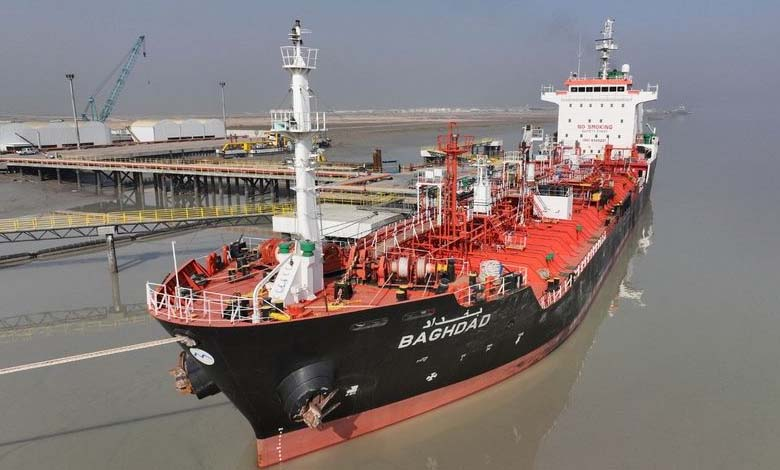
TEHRAN, April — Iran has announced that Iraqi vessels will be permitted to continue using the strategically vital Strait of Hormuz despite ongoing tensions that have disrupted shipping activity across the region.
The announcement signals a partial easing for vessels connected to Iraq even as the broader security environment in the Persian Gulf remains fragile. Iranian officials described Iraq as a “brotherly nation,” confirming that Iraqi ships transporting goods and energy resources would not face restrictions when navigating through the narrow waterway.

The Strait of Hormuz is widely considered one of the most important maritime corridors in the global energy system. Located between Iran and Oman, the strait serves as the primary route for oil exports from major Gulf producers. Roughly one-fifth of the world’s crude oil supply normally passes through this channel, making it a critical artery for global trade and energy security.
Because of its strategic importance, any disruption in the strait can have immediate consequences for global oil prices, shipping costs, and financial markets. Over the past several weeks, rising geopolitical tensions in the Middle East have caused shipping companies and oil traders to closely monitor the situation as risks to maritime navigation increased.
Despite Iran’s assurance that Iraqi vessels can pass through the waterway, analysts say the practical impact will depend heavily on whether commercial shipping companies are willing to operate in the region amid ongoing security concerns. In recent weeks, several tanker operators have either delayed voyages or diverted routes due to fears of attacks, naval confrontations, or rising insurance costs for ships entering the Gulf.
Iraq is one of the largest oil producers in the Middle East and relies heavily on maritime routes through the Persian Gulf to export crude to international markets. Allowing Iraqi vessels safe passage through the strait could therefore help maintain the flow of millions of barrels of oil per day, preventing further disruptions in global energy supply.
The move may also reflect Tehran’s effort to maintain stable relations with neighboring countries while tensions remain high with some Western nations and regional rivals. Iraq shares deep political, economic, and cultural ties with Iran, and both countries are key players in the Middle East’s complex geopolitical landscape.
Energy market observers note that the Strait of Hormuz has long been a focal point of geopolitical risk. Over the years, tensions involving Iran, regional powers, and international military forces have periodically raised concerns about the possibility of the strait being closed or restricted. Such a scenario could trigger sharp spikes in oil prices and disrupt global supply chains.
Even without a full closure, reduced shipping traffic can still have significant consequences. Fewer tankers moving through the waterway can slow energy exports from Gulf producers such as Saudi Arabia, Kuwait, Iraq, and the United Arab Emirates, all of which rely heavily on the route to deliver crude oil to Asia, Europe, and other markets.
Financial markets have already reacted cautiously to the heightened risks in the region. Oil prices have shown increased volatility as traders factor in the possibility of supply disruptions, while shipping companies face rising insurance premiums for vessels operating in the Gulf.
Analysts say that while Iran’s decision to allow Iraqi ships through the strait may ease some immediate concerns, the broader outlook for maritime security in the region remains uncertain. Much will depend on how regional tensions evolve and whether diplomatic efforts succeed in preventing further escalation.
For now, the Strait of Hormuz remains open, but the situation underscores the vulnerability of global energy supply routes to geopolitical conflict. As long as tensions persist in the Middle East, governments, energy companies, and financial markets around the world are likely to continue watching developments in the strategic waterway closely.