KUALA LUMPUR, June 2026 — Humanoid robots shared the runway with human models in Seoul during a high-tech fashion show that combined artificial intelligence, robotics and futuristic clothing design.
The event, called “Mach33: Physical AI Fashion Show,” was organised by Galaxy Corporation and featured human models walking in sync with shorter humanoid robot companions. Each pair appeared on stage wearing matching outfits, creating a futuristic display of fashion and technology.

The runway show was designed to explore the relationship between humans and robots in a future where humanoid machines may become more common in everyday life. Galaxy Corporation said the event was meant to raise the question of how humans and robots can coexist.
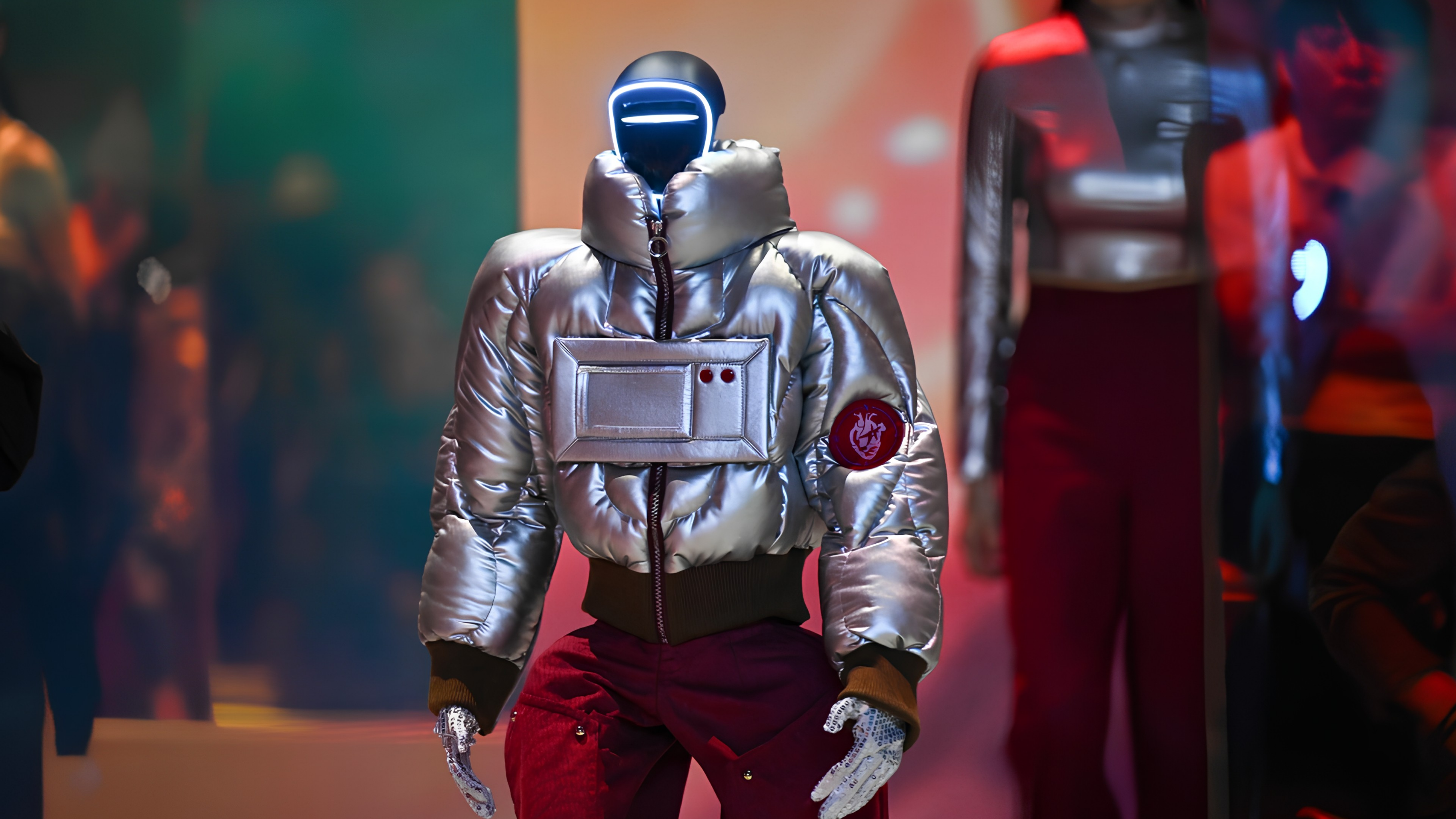
Among the outfits displayed was a blue Texan-style ensemble with tassel details, complete with a cowboy hat specially fitted for the robot. The show also featured a retro silver puffer jacket, silky dresses and space-age black trousers reminiscent of styles associated with 1970s rock fashion.
The clothing was carefully adjusted to fit the robots’ skeletal frames, showing that fashion for humanoid robots may require different design considerations compared with human clothing. The robots were smaller than the human models but moved together with them across the runway.
Galaxy Corporation chief executive officer Choi Yong-ho said the company realised that robots also need clothes. He added that just as every human is unique, every robot should also be distinct in appearance.
The outfits were designed by Galaxy Corporation, and a company spokesperson said the firm hopes to launch the collection under the MACH 33 brand name by the end of the year.
The robots used at the Seoul fashion show appeared to be humanoid machines made by Chinese startup Unitree, which has gained attention for producing relatively affordable humanoid robots.
The event highlights the growing interest in physical AI, a term often used to describe artificial intelligence systems that interact with the physical world through machines such as robots. Unlike software-based AI that operates through text, images or data, physical AI combines intelligence with movement, sensors and real-world interaction.
Humanoid robots have become more advanced in recent years, with some capable of dancing, running, performing choreographed movements and even landing backflips. These developments have created growing interest in how robots may be used not only in factories, warehouses or laboratories, but also in entertainment, service industries and lifestyle sectors.
The Seoul runway show also reflects how fashion brands and technology companies are beginning to experiment with new forms of presentation. Instead of only using human models, the event used robots as part of the creative concept, turning the runway into a stage for both design and innovation.
For the fashion industry, robots could open new possibilities in performance, storytelling and futuristic branding. Designers may eventually create clothing not only for humans, but also for humanoid machines used in hospitality, entertainment, events or personal assistance.
However, fully automated humanoid robots remain rare. Malay Mail/AFP noted that many impressive robot demonstrations are still remotely operated or pre-programmed, meaning the technology has not yet reached full independent performance in most public displays.
Even so, interest in humanoid robots is expected to grow sharply. Financial services firm Morgan Stanley has predicted that the world could have more than one billion humanoid robots by 2050, showing how large the potential market could become if the technology continues to develop.
The Mach33 show in Seoul therefore represents more than a fashion event. It reflects a wider cultural shift where robots are increasingly being imagined as visible participants in human environments, from workplaces and homes to entertainment and creative industries.
By dressing robots in coordinated outfits with human models, Galaxy Corporation attempted to present humanoid machines not only as tools, but as characters with their own visual identity.
The event also raises new questions about design, identity and the future of human-robot interaction. If robots become more present in public spaces, their appearance may become just as important as their function.
Overall, the Seoul runway show showed how artificial intelligence and robotics are moving into creative industries. With humanoid robots walking beside human models in matching outfits, the Mach33 Physical AI Fashion Show offered a glimpse of how fashion, entertainment and technology may merge in the future.