KUALA LUMPUR, June,2026 — Iran-US peace talks in Switzerland entered a highly fragile phase after Iran’s delegation reportedly refused to return to the negotiating room following renewed threats by US President Donald Trump. The talks were held at the Buergenstock resort near Lake Lucerne under a memorandum of understanding aimed at extending a ceasefire and opening the path toward a wider peace arrangement.
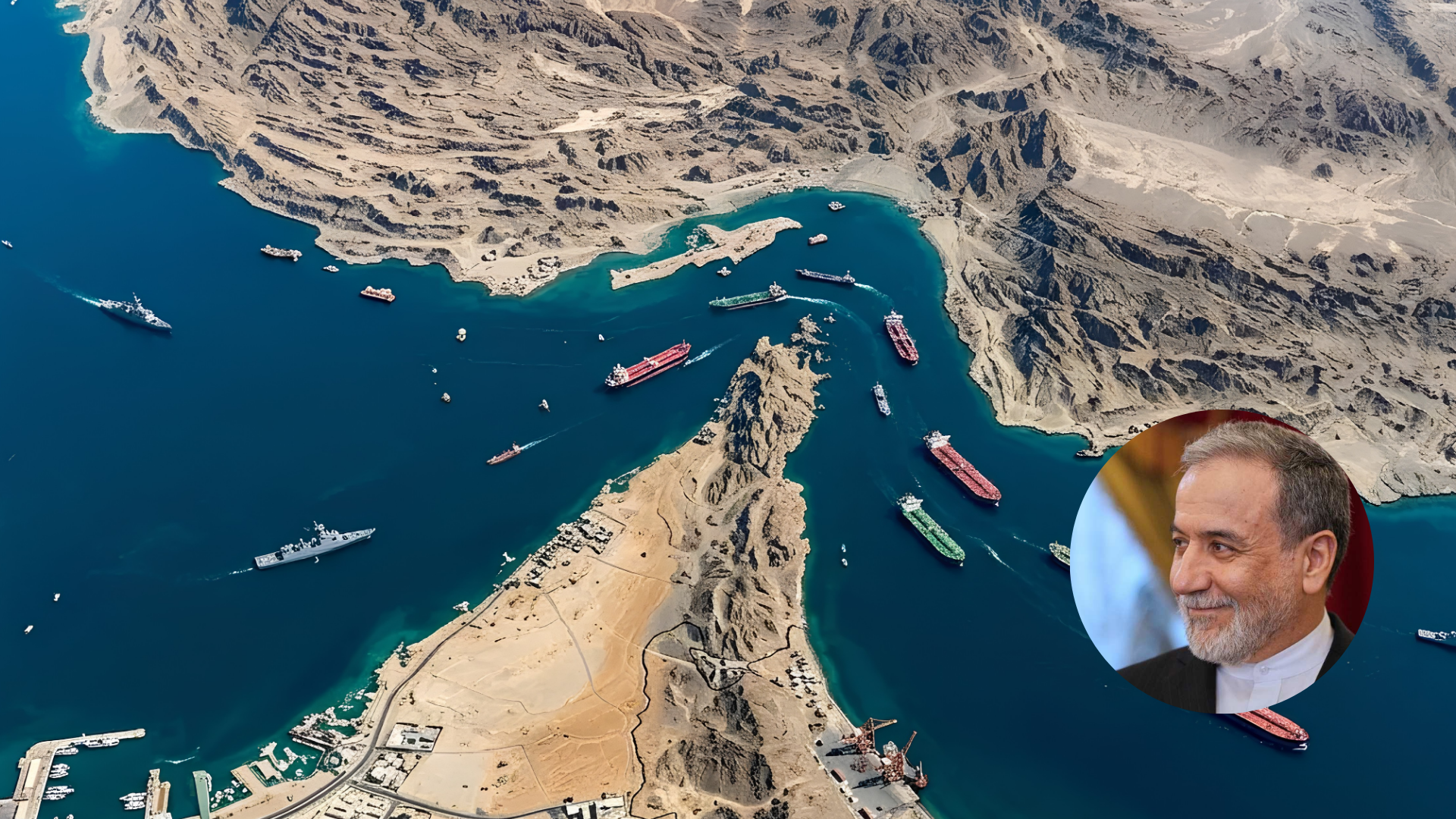
According to Malay Mail, the negotiations stretched into a second day after a tense opening marked by Tehran’s announcement that it had again closed the Strait of Hormuz, a key route for global energy shipments. The talks involved US and Iranian officials, with Qatar and Pakistan acting as mediators.

The tension escalated shortly before the talks officially began when Trump reportedly warned Iranian officials that they “won’t have a country” if Tehran tried to close the Strait of Hormuz again. He also repeated earlier threats that the United States could take control of the waterway and possibly impose its own toll system.
Iran’s semi-official Tasnim news agency, citing an informed source, said the Iranian delegation refused to return to the room after Trump’s threats became public. However, messages were reportedly still exchanged through Pakistani and Qatari mediators.
According to the same Iranian account, Tehran said nuclear negotiations could not begin properly unless other parts of the memorandum were first delivered. These included the release of frozen Iranian assets and US waivers allowing Iran to export oil.
US officials gave a different version of events. A US diplomat involved in the talks told Reuters that the Iranians had not left and that negotiations were continuing deep into the night, covering the Strait of Hormuz, Lebanon, nuclear issues and details of implementing the memorandum.
The conflicting accounts show how fragile the negotiation process has become. While Iran framed the incident as a protest against Trump’s threats, US officials tried to downplay the disruption and present the talks as still active.
Vice President JD Vance led the US side in the Switzerland discussions. He later said the talks had created a “good foundation” for a possible final deal to end the war, although he acknowledged that the process remained difficult and incomplete.
Axios reported that Vance said Iran had agreed to invite International Atomic Energy Agency inspectors back into the country, although Iran had not immediately confirmed the same details. Vance described the move as a major milestone, but also said significant technical work remained.
The Switzerland talks were part of a wider effort to implement a memorandum of understanding reached the previous week. According to Axios, the parties agreed to establish a high-level committee, create working groups on nuclear issues, sanctions and dispute resolution, and work toward a final deal within 60 days.
The agreement also included plans to create a communication line on the Strait of Hormuz to avoid miscommunication and maintain safe passage for commercial vessels while negotiations continue.
The Strait of Hormuz remains one of the most sensitive issues in the talks. Iran said it had again stopped maritime traffic through the strait because it believed the United States had failed to ensure an end to fighting in Lebanon. US officials disputed Iran’s claim that the strait was fully closed, but shipping data showed an immediate impact.
Malay Mail reported that only five vessels passed through the strait on Sunday, compared with 26 ships a day earlier, based on Kpler data. The report noted that the figure may exclude vessels that switch off their transponders while travelling in the Gulf.
The disruption also affected oil markets. Brent crude futures rose by more than US$1 to US$81.66 a barrel in early Monday trading after the rocky start to the talks.
The talks also involve the war in Lebanon, where Israel and Hezbollah remain central to the wider regional crisis. Iran argued that continued fighting in Lebanon showed Washington had not delivered on its commitment to halt hostilities.
Trump’s remarks added another layer of pressure. In a social media post, he warned Iran to stop its “proxies” in Lebanon from causing trouble and threatened that the United States would strike Iran “only harder” if Tehran failed to do so.
At the same time, Vance tried to present a more diplomatic tone, saying Trump had asked US officials to “turn over a new leaf” and transform relations with the Iranian people. This contrast between Trump’s threats and Vance’s diplomatic messaging became one of the most visible tensions in the negotiation process.
Reuters later reported that Trump said he would “do what I have to do” if Iran failed to comply with its agreement with Washington. He also said Iran was expected to use unfrozen funds to buy food from the United States, while Iranian officials disputed that interpretation and said Tehran was not required to purchase only American agricultural goods.
The issue of frozen Iranian funds has become a major point in the talks. Iran wants financial relief and oil export waivers before moving deeper into nuclear negotiations, while Washington wants stronger nuclear oversight and assurances that Tehran will not use regional allies to destabilise the ceasefire process.
The negotiations are also being watched closely by regional players. AP reported that US Secretary of State Marco Rubio was set to visit the United Arab Emirates, Kuwait and Bahrain to discuss the memorandum, security for US allies and the status of the Strait of Hormuz.
The Lebanon front appeared quieter on Monday, with AP reporting that UNIFIL said the ceasefire between Israel and Hezbollah seemed to be holding, although peacekeepers continued to observe airspace violations and Israeli ground movements.
This relative calm may help the talks, but the situation remains highly fragile. If violence resumes in Lebanon or if the Strait of Hormuz remains disrupted, Iran may again refuse to move forward on nuclear-related discussions.
For Washington, the challenge is to keep the talks alive while balancing pressure from Israel, Gulf allies and domestic political critics. For Tehran, the priority appears to be securing tangible economic relief before making concessions on nuclear inspections or wider security issues.
The walkout dispute also shows the risk of public threats during sensitive diplomacy. Even if talks continue behind the scenes, aggressive rhetoric can weaken trust and give hardliners on both sides more reason to reject compromise.
Vance has insisted that the talks are progressing, but his own comments suggest that the process is still at an early stage. He said technical teams would remain in Switzerland to continue the negotiations after high-level officials departed.
For now, the talks have not collapsed, but they remain under heavy pressure. The next phase will depend on whether both sides can agree on sanctions relief, oil exports, nuclear inspections, safe passage through Hormuz and the Lebanon ceasefire.
The development is suitable for Update News because it involves current Iran-US peace negotiations, renewed threats by Trump, a reported Iranian delegation walkout, the Strait of Hormuz crisis and wider Middle East ceasefire efforts.