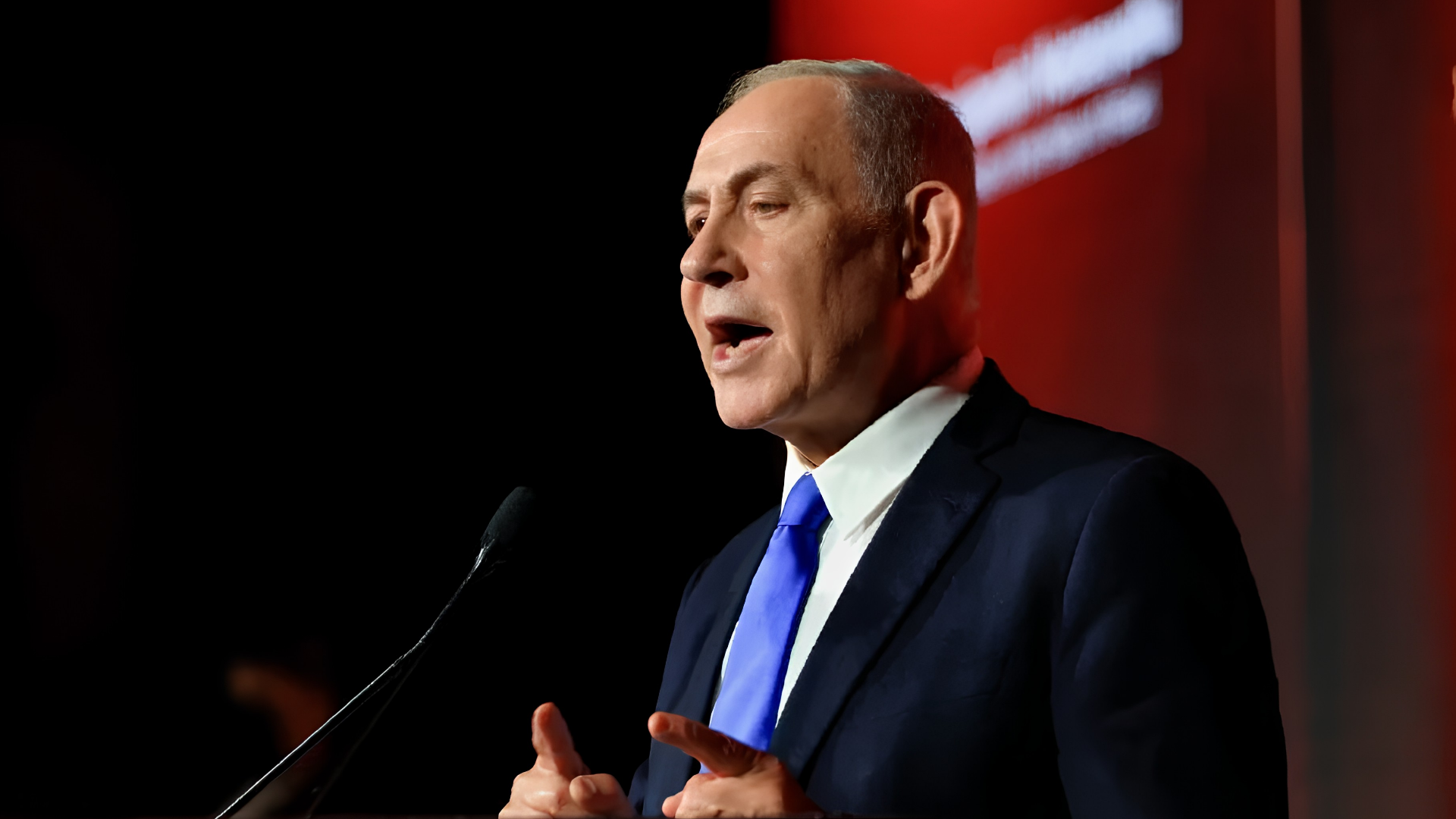
KUALA LUMPUR,June,2026 — Israeli Prime Minister Benjamin Netanyahu has insisted that Israeli troops will remain in southern Lebanon “as long as necessary,” signalling that Israel has no immediate plan to withdraw from the area despite ceasefire efforts and growing regional pressure.
According to statements reported by Israeli media, Netanyahu said Israel would stay in its southern Lebanon security zone for as long as required to defend communities in northern Israel. He also instructed the Israeli military to respond forcefully to any Hezbollah attack and to remove threats against Israeli forces.

The remarks came after Israel announced the deaths of four soldiers in Lebanon, increasing pressure on Netanyahu’s government to maintain a strong military posture against Hezbollah. Netanyahu said Israel would not tolerate attacks on its soldiers or territory and warned that Hezbollah would pay a heavy price.
The latest statement reinforces Israel’s position that the military presence in southern Lebanon is part of a security strategy to protect northern towns from Hezbollah attacks. Israeli Defence Minister Israel Katz also said Israeli soldiers stationed in Lebanon are authorised to act freely against any thre
Katz said Israeli forces would remain in a designated security zone within about 10 kilometres of the Lebanese border to protect northern Israeli communities. His comments came after a ceasefire was announced, but Israeli officials continued to stress that military action would remain possible if threats emerged.
The situation remains fragile. Reuters reported that Israel and Hezbollah had agreed to a ceasefire in Lebanon following escalating hostilities that threatened wider US-Iran efforts to de-escalate the regional conflict. However, both sides have continued to accuse each other of violations, raising doubts about whether the truce can hold.
Hezbollah chief Naim Qassem said Israel would not remain in Lebanon and warned that Hezbollah would respond to any violations from the Israeli side. His remarks show that the group rejects Israel’s continued presence in southern Lebanon and sees it as a direct challenge.
The conflict in Lebanon has become one of the most sensitive issues in the wider Middle East crisis. Israeli officials say the security zone is needed to prevent Hezbollah from threatening northern Israel, while Hezbollah and Lebanese officials view Israel’s presence as a violation of Lebanese sovereignty.
The issue has also complicated the broader US-Iran peace process. The ceasefire in Lebanon has been linked to wider diplomatic efforts involving Washington and Tehran, but Israel has repeatedly said it is not fully bound by arrangements that fail to address its security concerns.
The Guardian reported that Netanyahu had earlier declared victory over Iran and ruled out withdrawal from security zones in Lebanon, Gaza and Syria, arguing that Israel must defend itself against threats from Hezbollah and other Iran-linked groups.
This position has created tension with efforts to reduce fighting across the region. A US-Iran agreement has placed pressure on parties to support de-escalation, but Israel continues to insist that it must retain freedom of action in Lebanon if Hezbollah remains a threat.
For Netanyahu, the southern Lebanon issue is both a military and political test. Pulling troops back too quickly could be seen domestically as a security risk, especially after Israeli soldiers were killed. Staying in Lebanon, however, risks prolonging the conflict and increasing international criticism.
The continued Israeli presence also raises concerns for Lebanese civilians. Previous reports have described heavy casualties, displacement and major destruction in southern Lebanon as fighting between Israel and Hezbollah intensified.
For Hezbollah, the Israeli security zone is likely to remain a trigger for further confrontation. The group has said it will respond to violations and rejects Israeli freedom of movement inside Lebanon.
The situation is therefore highly unstable. A ceasefire may reduce immediate fighting, but the continued presence of Israeli forces in southern Lebanon means the risk of new clashes remains high.
Netanyahu’s statement also sends a clear message to Hezbollah, Iran and international mediators: Israel will not withdraw from southern Lebanon unless it believes its northern border is secure. This stance may strengthen Israel’s military deterrence, but it could also make a long-term political settlement harder to reach.
The key question now is whether the ceasefire can survive while Israeli troops remain in Lebanese territory. If Hezbollah continues to reject the security zone and Israel continues to act against perceived threats, the truce could break down quickly.
Netanyahu’s position shows that the Israel-Lebanon front remains one of the most dangerous flashpoints in the Middle East. The conflict is no longer only about border fighting, but also about regional diplomacy, Hezbollah’s role, Iran-linked influence and Israel’s security calculations.
The development is suitable for Update News because it involves a current statement by Israel’s prime minister, an active military standoff in southern Lebanon, Hezbollah tensions and wider implications for the Middle East ceasefire process.