KUALA LUMPUR,June,2026 — US Vice President JD Vance arrived in Switzerland for high-level peace talks with Iran, as both countries try to preserve a fragile ceasefire while disagreeing over Tehran’s claim that it had closed the Strait of Hormuz, one of the world’s most important energy shipping routes.
The talks are being held at the Buergenstock resort, a heavily secured mountaintop venue in Switzerland. Reuters reported that Vance is leading the US side, while Iran’s delegation is led by chief negotiator Mohammad Baqer Qalibaf and includes Foreign Minister Abbas Araqchi, as well as senior security, central bank and oil officials.

The Switzerland talks are designed to advance an interim agreement brokered by Pakistan and signed earlier by US President Donald Trump and Iranian President Masoud Pezeshkian. The agreement created a 60-day ceasefire period for negotiations after nearly four months of war.
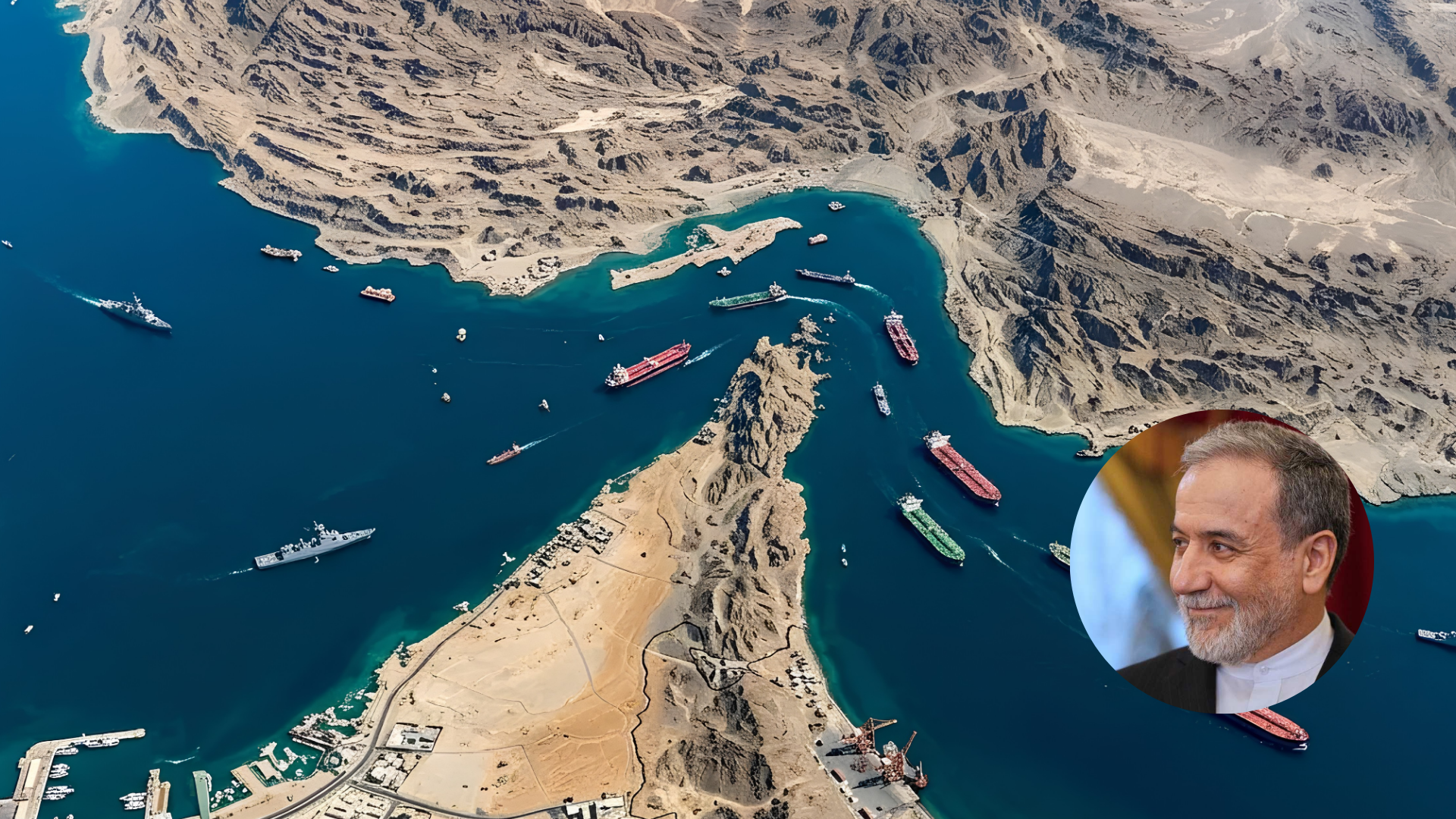
However, the diplomatic process is already facing a major test. Iran’s Islamic Revolutionary Guard Corps declared the Strait of Hormuz closed on Saturday, saying the move was a response to Israeli attacks in Lebanon that Tehran described as a violation of ceasefire commitments.
The United States rejected Iran’s claim. US Central Command said commercial vessels continued operating in the waterway, with 55 merchant ships carrying more than 17 million barrels of oil passing through the strait on Saturday.
US Central Command spokesperson Capt. Tim Hawkins said Iran does not control the Strait of Hormuz and that American forces were monitoring the situation to ensure freedom of navigation.
The Strait of Hormuz is a critical global energy corridor. Before the latest war began, Reuters reported that it carried around one-fifth of global oil supplies, making any disruption highly sensitive for oil markets, shipping firms and energy-importing countries.
Before departing the United States, Vance said he hoped the talks would make progress on two major issues: Iran’s nuclear programme and the Lebanon ceasefire. He told reporters that the discussions could last several days.
The nuclear issue remains one of the most difficult parts of the negotiations. Washington wants stronger limits and verification over Iran’s nuclear programme, while Tehran is expected to press for implementation of commitments already made under the interim agreement.
The Lebanon issue may be even more urgent. A halt to fighting in Lebanon was one of the conditions for starting deeper US-Iran talks, but violence continued despite the ceasefire framework. Reuters reported that Israeli forces and Hezbollah attacked each other on Saturday, creating uncertainty around the wider peace process.
Lebanese civil defence officials said Israeli strikes killed 20 people on Saturday, while Israel said it was responding to Hezbollah attacks. Hezbollah said it would not allow Israel freedom of movement in Lebanon.
Israel has also said it is not a party to the US-Iran deal and will keep its forces in Lebanese territory it occupies. According to Reuters, Israeli officials said the military would act against any threats despite the broader ceasefire efforts.
This has placed the United States in a difficult diplomatic position. Washington is trying to move forward with Iran while also managing Israel’s military actions in Lebanon, even though Israel and Hezbollah are not direct signatories to the US-Iran agreement.
Pakistan is playing a central mediation role in the talks. Pakistan’s Prime Minister Shehbaz Sharif and Army Chief Field Marshal Asim Munir also arrived in Switzerland to join the discussions, while Qatar is also involved in the mediation process.
Qatar’s role is significant because the Buergenstock resort is owned by Qatar, which has been involved in peace efforts linked to the US-Iran conflict.
The Iranian side is expected to demand concrete implementation of commitments already made. Iranian Foreign Ministry spokesperson Esmaeil Baghaei said Tehran would press for fulfilment of obligations, citing previous failures by the other side to honour agreements.
The dispute over Hormuz could become a major bargaining point. Iran has linked the waterway issue to Israeli actions in Lebanon, while the United States insists that the route remains open and that Iran cannot unilaterally control global shipping access.
Trump has sought to reassure markets by saying there would be no toll for passage through the Strait of Hormuz during the 60-day ceasefire period or afterward, unless the US imposes one if peace talks fail.
The oil market dimension makes the talks especially important beyond diplomacy. If the Strait of Hormuz becomes unstable, the impact could extend to crude prices, shipping insurance, supply chains and inflation pressure across energy-importing economies.
For the United States, the immediate goal is to keep the ceasefire alive and prevent Iran from using Hormuz as leverage while negotiations continue. For Iran, the key objective is to obtain clear implementation of US commitments and relief from wartime economic pressure.
The presence of senior oil and central bank officials in Iran’s delegation suggests that energy flows, sanctions relief and financial access may be major parts of the negotiation agenda.
At the same time, the talks are not limited to oil and shipping. Vance has made clear that the nuclear issue and Lebanon ceasefire are central priorities. This means negotiators must address both strategic security and regional conflict at the same time.
The situation remains fragile because several actors are involved. The United States and Iran are negotiating directly through mediators, but Israel and Hezbollah continue to shape the reality on the ground in Lebanon.
If violence in Lebanon continues, Iran may argue that the ceasefire is not being implemented on all fronts. If Iran continues to threaten Hormuz, Washington may respond with stronger naval and diplomatic pressure.
The next few days will therefore be critical. A productive meeting in Switzerland could help stabilise the ceasefire, restart nuclear negotiations and calm energy markets. A breakdown, however, could revive fears of renewed conflict and further disruption in the Gulf.
Vance’s arrival in Switzerland marks a major diplomatic moment in the US-Iran peace process. But the talks are beginning under heavy pressure from the Strait of Hormuz dispute, continuing Lebanon violence and deep mistrust between Washington and Tehran.
The development is suitable for Update News because it involves current US-Iran peace talks, a live geopolitical dispute over the Strait of Hormuz, the future of the Iran ceasefire and possible consequences for global energy markets.