KUALA LUMPUR, JULY 2026 – The Selangor State Health Department has confirmed that laboratory tests conducted on a patient suspected of having leptospirosis returned negative results.
The patient was admitted to the intensive care unit of a hospital in Selangor on July 7 after initially being suspected of contracting the bacterial disease, commonly known as rat urine disease. The patient is now in stable condition and has been transferred to a general ward for further treatment.

The clarification was issued after a message circulated on social media alleging that a suspected leptospirosis infection had originated from a water recreation area in Selangor.
Health authorities did not confirm any link between the patient’s condition and the recreational location mentioned in the viral message. The negative laboratory result means the suspected case was not confirmed as leptospirosis.
The department said 127 laboratory-confirmed leptospirosis cases were recorded across several districts in Selangor between 2024 and July 2026. No specific geographical distribution pattern was identified, and no deaths were recorded during the period.
Of the total cases, 26, or approximately 21 per cent, were linked to water-based recreational activities.
Three recreational areas frequently associated with leptospirosis incidents in Selangor were identified as Taman Eko Rimba Sungai Kanching in Gombak, Sungai Congkak Waterfall in Hulu Langat and Sungai Ulu Yam in Hulu Selangor.
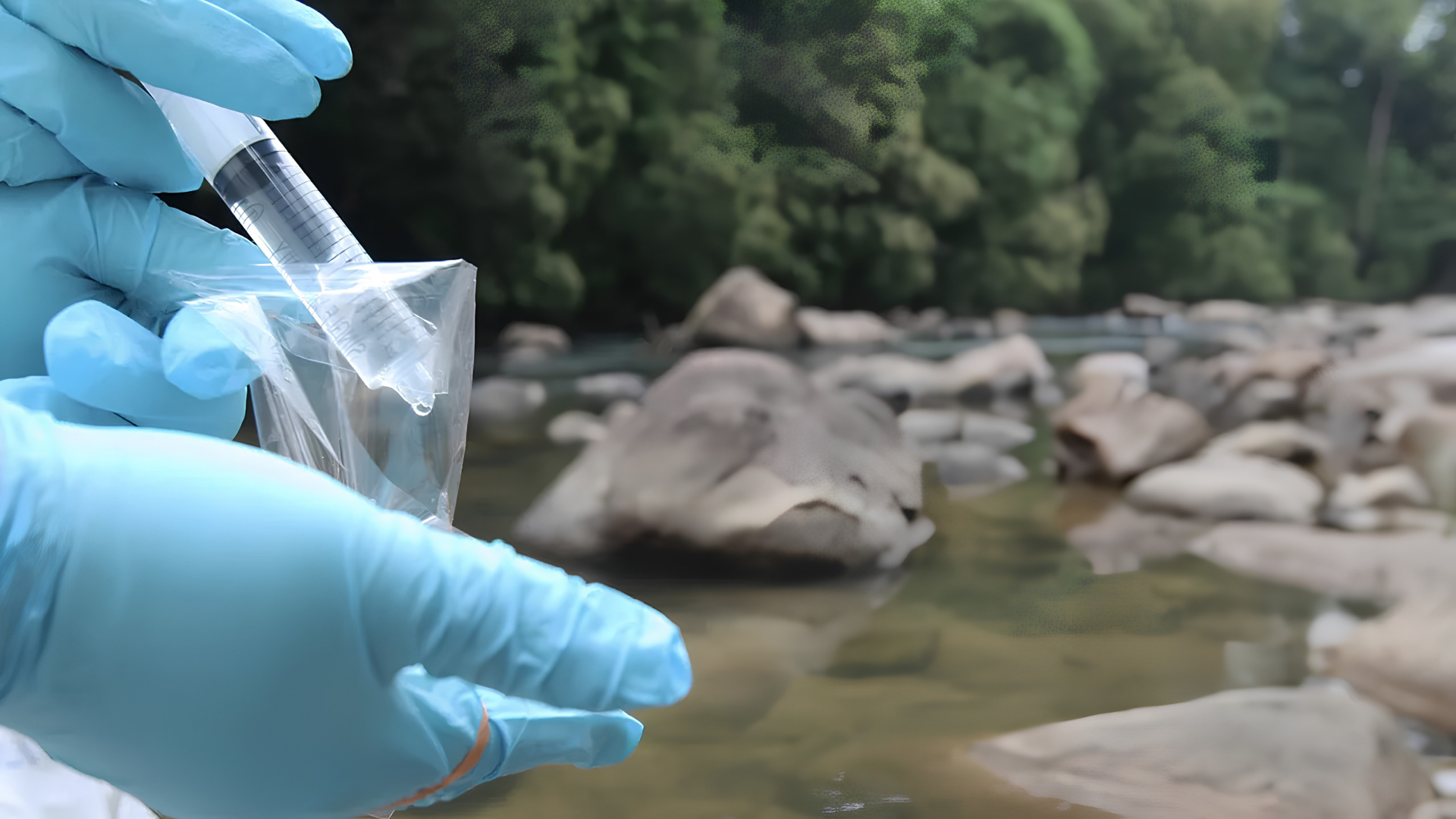
District health offices have continued implementing prevention and control measures, including conducting risk assessments at affected locations and collecting water and soil samples for laboratory analysis.
Local authorities and recreational-site operators are also required to provide warning signs where necessary. Regular environmental cleaning is conducted to reduce potential exposure to contaminated water, soil and animal waste.
Leptospirosis is a zoonotic disease caused by Leptospira bacteria. It can spread from animals to humans, with rats considered one of its primary carriers.
Infection may occur when a person comes into contact with water, soil or food contaminated by the urine of an infected animal. The bacteria can enter the body through open wounds or mucous membranes, including the eyes, nose and mouth.
Members of the public have been advised to maintain cleanliness at recreational sites and avoid throwing rubbish into the surrounding environment, as improperly managed waste can attract rats and other disease-carrying animals.
Visitors with open wounds should avoid water activities or cover their injuries with waterproof dressings. The public should also avoid playing in or walking through stagnant water, particularly following floods.
River water should not be consumed or used unless it has been properly treated or boiled. Anyone experiencing fever, headache, muscle pain, nausea, vomiting or diarrhoea after visiting a recreational water area should seek medical examination and treatment immediately.
The Selangor State Health Department said it would continue monitoring the leptospirosis situation and work with relevant agencies to implement preventive measures aimed at reducing the risk of transmission.
The clarification also highlights the importance of relying on verified laboratory results and official public health statements before sharing claims involving suspected disease outbreaks.