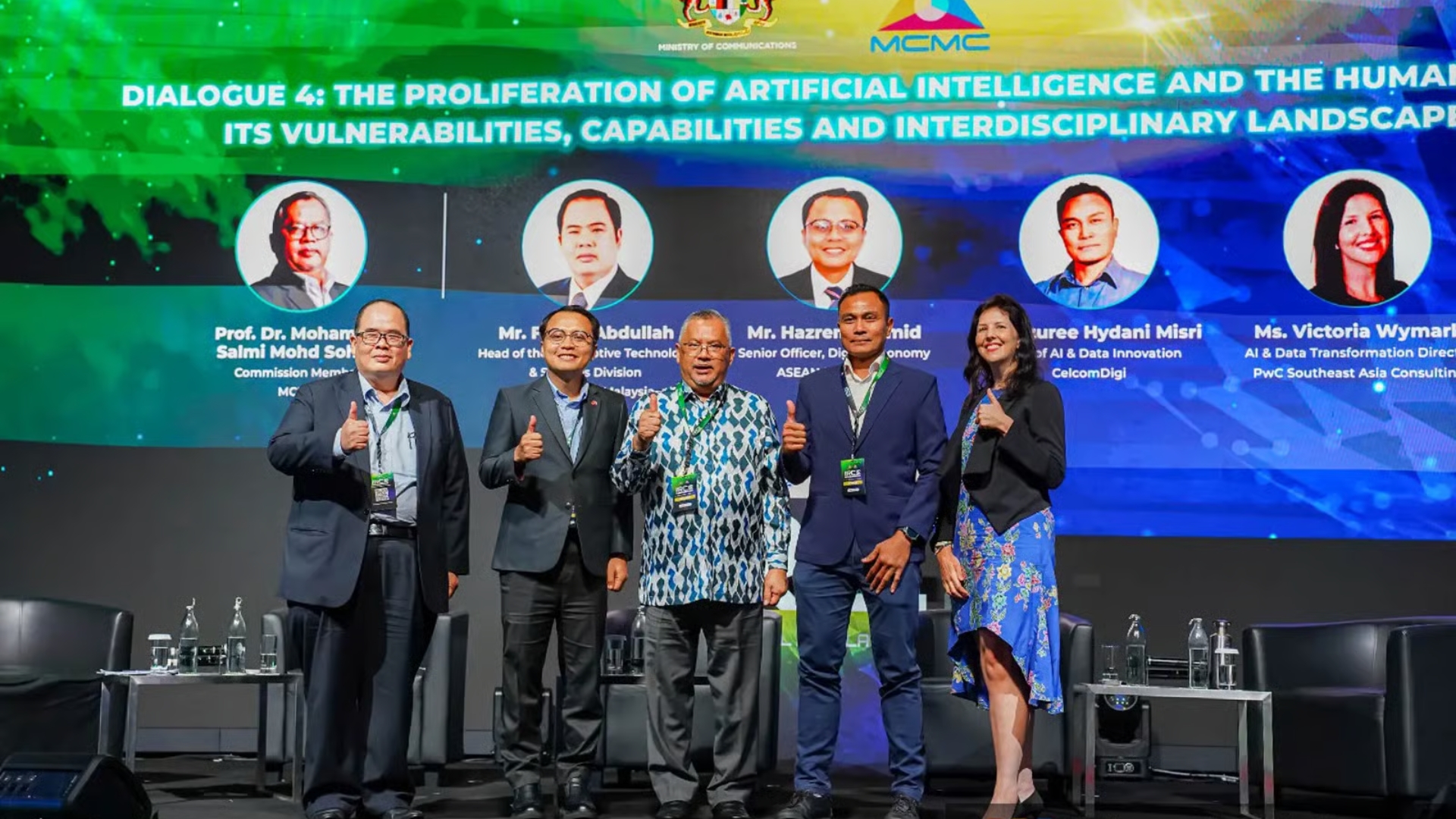
KUALA LUMPUR, JULY 2026 – Human oversight must remain a central part of artificial intelligence adoption despite the technology’s rapid development and growing ability to perform complex tasks, according to PwC artificial intelligence specialist Victoria Wymark.
Wymark warned that AI systems can generate responses that appear credible, polished and authoritative even when the information provided is inaccurate. This creates a risk that users may accept AI-generated content without conducting sufficient checks, particularly when the output is presented confidently.

The concern becomes more serious when AI is used to support decisions involving finance, healthcare, employment, cybersecurity, public services or other areas that could significantly affect individuals and organisations.
Rather than treating AI as an independent decision-maker, companies should use it as a tool that assists qualified employees. Important conclusions, recommendations and automated outputs should still be reviewed by people who understand the relevant subject, risks and consequences.
Human involvement is also necessary because AI systems may not fully understand context, cultural sensitivities or the wider impact of a decision. Although a system can analyse large volumes of information quickly, it cannot automatically guarantee that its answer is accurate, ethical or appropriate for every situation.
Wymark’s warning highlights the need for organisations to establish clear responsibility for decisions supported by AI. Companies should identify who is authorised to approve AI-generated results, who is responsible when an error occurs and what procedures must be followed when a system produces questionable information.
Stronger AI governance should include regular testing, documented approval processes, data-protection measures and mechanisms that allow employees to challenge or override automated recommendations. Organisations should also monitor how their systems perform after deployment rather than assuming that a model will always produce reliable results.
Employees need sufficient training to recognise the limitations of AI, including its potential to produce fabricated information, reflect bias in training data or overlook important details. Staff should be encouraged to verify sources and apply professional judgement before using AI-generated material in official work.
Transparency is equally important. Users should be informed when AI has played a role in producing content or supporting a decision, especially in situations involving customers, employees or members of the public.
The expert’s remarks come as AI adoption expands across Malaysian businesses and government-related activities. Organisations are increasingly using the technology to analyse information, automate administrative work, improve customer service and support business planning.
While these applications can improve productivity, inadequate controls may expose organisations to misinformation, privacy violations, reputational damage and poor decision-making. The risks may be greater when employees rely too heavily on automated systems or use publicly available AI tools to process confidential information.
The continued development of AI does not eliminate the need for human expertise. Instead, it increases the importance of responsible implementation, clear governance and meaningful human control over decisions with potentially serious consequences.
Organisations that combine technological capability with professional judgement are more likely to benefit from AI while reducing the possibility of harmful errors. The central challenge is therefore not simply adopting the most advanced system, but ensuring that people remain accountable for how the technology is used.