KUALA LUMPUR, JULY 2026 – The US House of Representatives has approved a Republican-backed US$95 billion budget proposal intended to support the Iran war and several other priorities promoted by President Donald Trump.
The measure passed by a narrow 216-214 vote, with two Republican lawmakers and one independent joining Democrats in opposition. The proposal received no Democratic support.

House Speaker Mike Johnson moved forward with the plan despite divisions within his own party. Some conservative Republicans expressed concern because the package did not include spending cuts to offset its cost, while others argued that additional funding was necessary to maintain military readiness and support American troops.
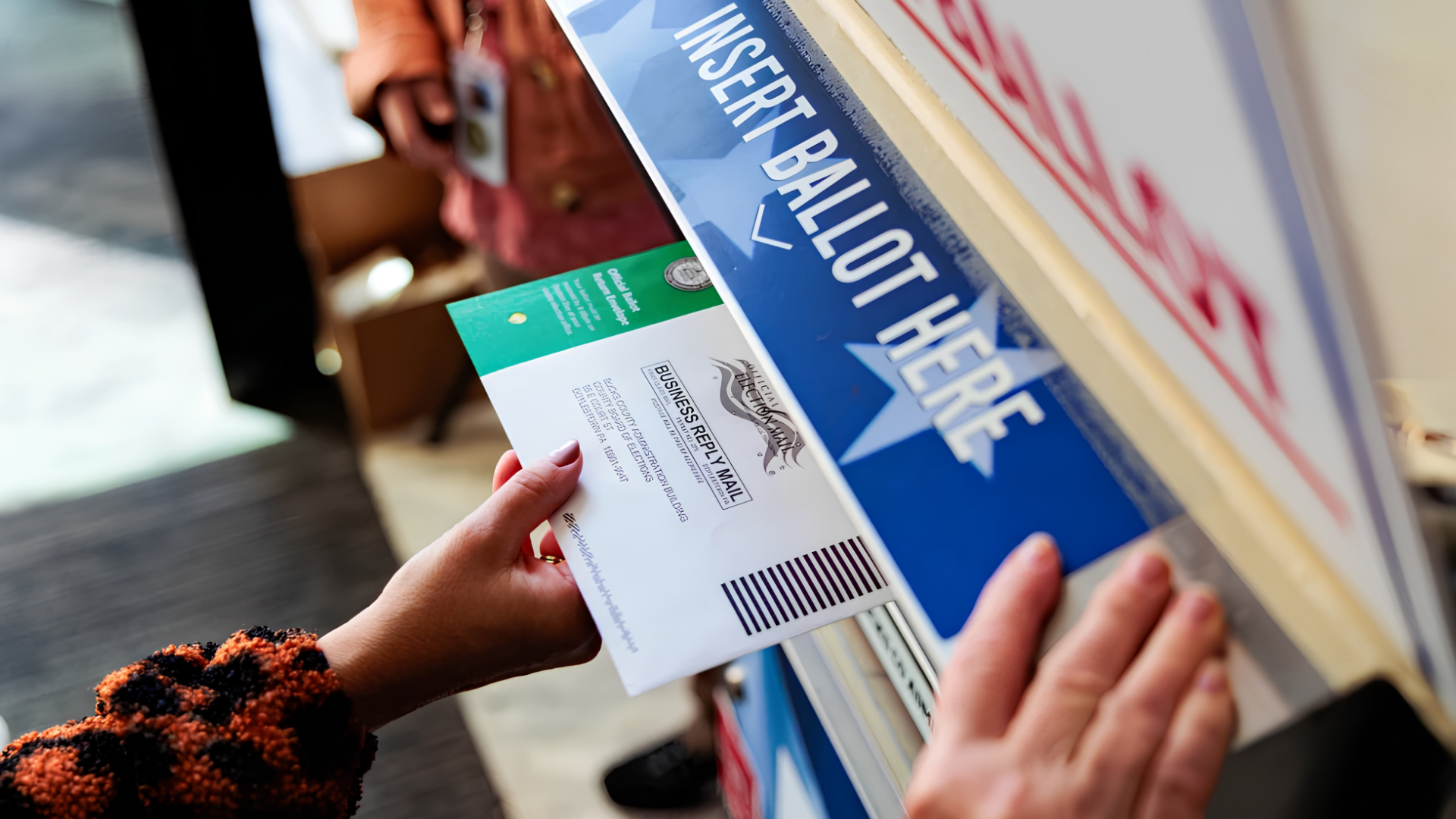
The package outlines US$60 billion for the Pentagon and another US$13 billion for broader national security requirements. It also includes US$12 billion for farmers affected by Trump’s tariffs and US$10 billion connected to voting-law changes and proof-of-citizenship requirements supported by the president.
The proposal comes as the Pentagon faces mounting financial pressure from continuing military operations against Iran. Defence Secretary Pete Hegseth told senators that the department was running short of money despite receiving a separate US$150 billion allocation under an earlier budget measure.
The political debate has intensified because Congress has not formally authorised the use of US military force against Iran. Lawmakers have been unable to stop the administration’s strikes while remaining divided over whether billions of dollars in taxpayer funding should be provided to continue the campaign.
Democrats criticised the proposal, arguing that the funds should instead be used to lower living costs and support domestic programmes. House Democratic leaders also accused Republicans of prioritising military operations while reducing assistance relied upon by children, senior citizens and military veterans.
Opposition was not limited to Democrats. Republican Representatives Thomas Massie of Kentucky and Warren Davidson of Ohio voted against the measure, while independent Representative Kevin Kiley of California said war funding should receive bipartisan support and stronger congressional involvement.
Republicans are pursuing the proposal through the budget reconciliation process, which allows legislation to advance with a simple majority and prevents opponents from blocking it through a Senate filibuster. However, the budget resolution does not immediately release the money. It instructs congressional committees to prepare the detailed legislation required to implement the package.
Johnson hopes the committees can complete their work during the summer, allowing lawmakers to hold a final vote after returning from the August recess. The timetable remains uncertain because the proposal must still be considered by the Senate.
Senate Majority Leader John Thune has not committed to supporting the House plan. Republican senators remain divided, with some seeking more military funding and others demanding spending reductions to offset the package’s cost.
The Senate is also focused on preventing a federal government shutdown before existing funding expires on September 30. These competing priorities could delay or significantly alter the House proposal before it reaches Trump’s desk.