KUALA LUMPUR,MAY,2026 – US President Donald Trump has claimed that a peace agreement involving Iran is close to being finalised, with the proposed framework expected to include the reopening of the Strait of Hormuz, one of the world’s most important shipping routes for oil and gas. The statement has raised hopes of a possible diplomatic breakthrough, but Tehran-linked media has pushed back against the idea that a final deal is already near.
Trump said the framework for a memorandum of understanding on peace with Iran had been “largely negotiated,” adding that final details were still being discussed and would be announced soon. According to Reuters, the proposed agreement would include the reopening of the Strait of Hormuz, which has been at the centre of global concern after the conflict disrupted energy markets and shipping movement.

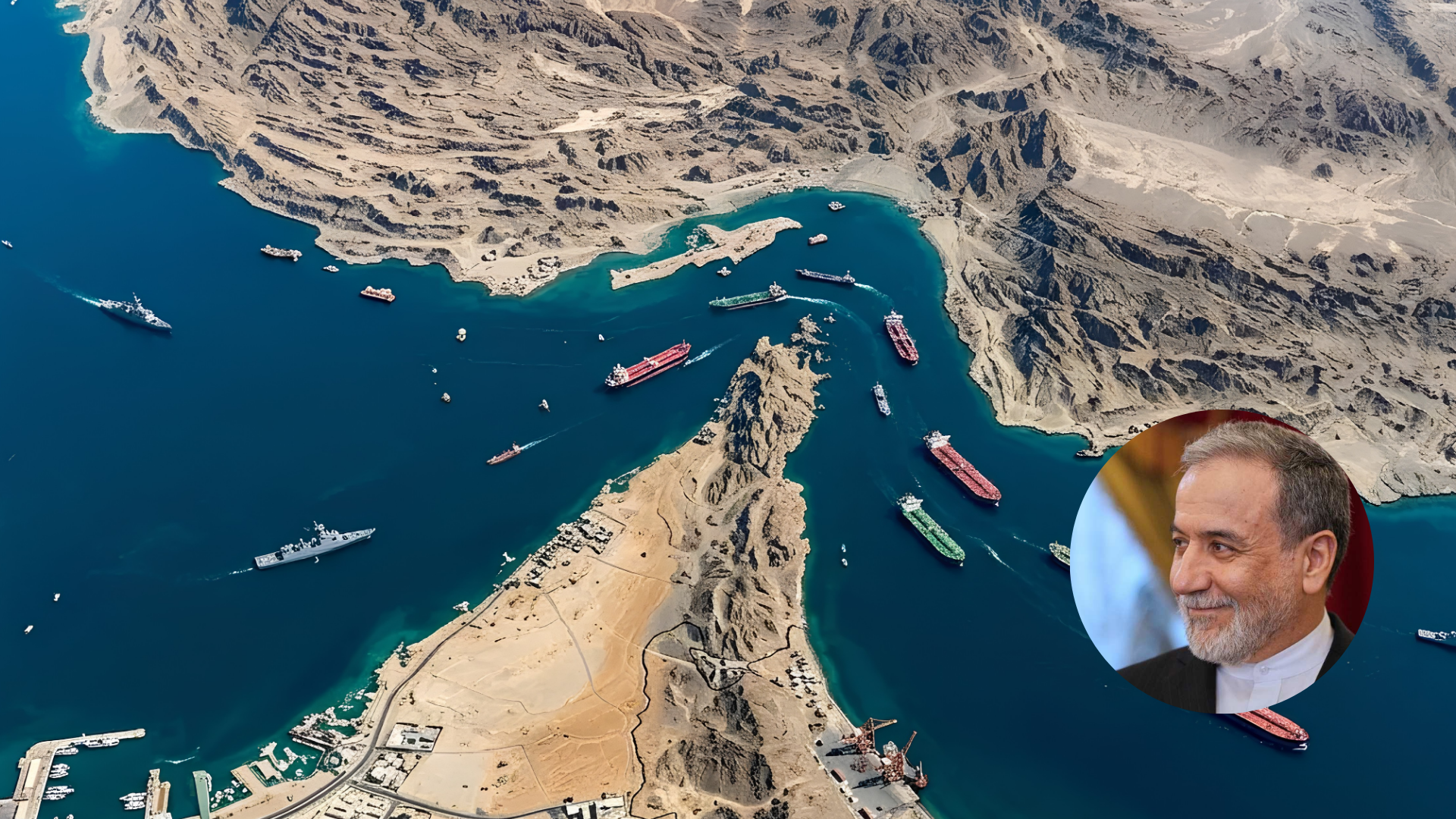
The Strait of Hormuz is a critical maritime chokepoint linking the Gulf with international waters. Any disruption in the area can immediately affect crude oil shipments, liquefied natural gas movement, global energy prices and investor confidence. Because of that, the possible reopening of the strait is being closely watched by g
Trump’s latest remarks followed a series of diplomatic calls with leaders from Saudi Arabia, Qatar, the United Arab Emirates, Jordan, Egypt, Turkey and Pakistan. The US president also reportedly spoke with Israeli Prime Minister Benjamin Netanyahu as Washington continued efforts to determine whether diplomacy could prevent another escalation in the region.
According to AP, Trump described the emerging agreement as a “Memorandum of Understanding pertaining to PEACE” that still needed to be finalised by the United States, Iran and other countries involved in the talks. The report also noted that the announcement came during a week in which the US had been weighing possible renewed military action against Iran.
Despite Trump’s optimistic tone, the situation remains uncertain. Iran’s Fars news agency reportedly said Trump’s claim that the agreement was nearly final was “inconsistent with reality.” The agency also said any agreement would still allow Iran to manage the Strait of Hormuz, highlighting that major issues remain unresolved between the two sides.
Iranian officials have confirmed that discussions are ongoing, but they have framed the process as a draft framework rather than a completed deal. Iran’s Foreign Ministry spokesperson Esmail Baghaei said the current focus is on ending the war and resolving essential issues before a final agreement can be reached over a reasonable timeframe.
Reuters reported that Pakistan has played a key mediation role in narrowing differences between Washington and Tehran. Pakistan’s army said negotiations had produced “encouraging” progress, while sources involved in the talks described the proposed deal as a comprehensive framework to end the war.
The proposed framework is believed to involve several stages. Reuters reported that it could begin with a formal end to the war, followed by steps to resolve the Strait of Hormuz crisis, before opening a wider negotiation window for a broader agreement.
AP also reported that one regional official familiar with the mediation efforts said the deal could include an official declaration ending the war, the reopening of the Strait of Hormuz, the end of the US blockade on Iranian ports and a separate period for nuclear negotiations. However, the official warned that last-minute disputes could still derail the process.
The nuclear issue remains one of the most difficult parts of any US-Iran agreement. US Secretary of State Marco Rubio said Iran must not be allowed to obtain a nuclear weapon, the strait must be open without tolls, and Tehran must address concerns over enriched uranium. Iran has repeatedly denied seeking nuclear weapons and says its uranium enrichment is for civilian purposes.
For Iran, the key demands include an end to the US blockade on its ports, sanctions relief, recognition of its role in supervising the Strait of Hormuz and guarantees against further attacks. Tehran has also said that ending the threat of renewed US strikes is among its highest priorities.
The talks come after weeks of tension in the Middle East, where the Strait of Hormuz crisis has become one of the biggest economic risks linked to the conflict. AP reported that a ceasefire has held since April 7, but Iran’s decision to effectively restrict movement through the strait for ships carrying regional oil, natural gas and other critical supplies has remained a major source of global concern.
For global markets, any confirmed reopening of the Strait of Hormuz could ease pressure on oil prices and reduce fears of a wider supply shock. The waterway is essential for energy exports from Gulf producers, and uncertainty over its status has contributed to volatility in crude prices, shipping costs and inflation expectations.
However, analysts are likely to remain cautious until a formal agreement is signed and implemented. Trump’s statement suggests progress, but Iran’s response shows that both sides still disagree over how close the deal really is and what terms should govern the strait.
The dispute over who controls or supervises the Strait of Hormuz may become one of the most sensitive parts of the negotiation. Washington wants open and secure passage, while Tehran appears determined to preserve its authority over the waterway and avoid any arrangement that looks like a surrender of sovereignty.
The political pressure on Trump is also significant. Reuters noted that the war’s impact on energy prices had affected US consumers, increasing pressure on the administration to find a diplomatic solution. This makes the Hormuz issue not only a foreign policy matter, but also a domestic economic concern for the US.
At the same time, any agreement may face criticism from hardliners in both Washington and Tehran. In the US, critics may argue that sanctions relief or compromise with Iran would weaken American leverage. In Iran, officials may resist any deal that appears to limit national control over the strait or delay demands for sanctions relief.
For now, the most important point is that the agreement is not yet final. Trump has claimed major progress, mediators have reported encouraging movement, and Iran has acknowledged ongoing talks. But Iranian media has rejected the idea that a final deal is already nearly complete, meaning the coming days will be crucial.
If the framework succeeds, it could reduce the risk of renewed military escalation, reopen a vital global shipping route and create space for broader US-Iran negotiations. If it fails, tensions could return quickly, especially if Washington resumes threats of military action or if Iran refuses to reopen the Strait of Hormuz under US conditions.
Overall, Trump’s claim signals the strongest public indication so far that Washington sees a possible path toward a deal with Iran. But with major disputes still unresolved, the future of the agreement — and the reopening of the Strait of Hormuz — remains uncertain.