KUALA LUMPUR,June, 2026 – U.S. President Donald Trump said the United States could declare what he described as a “total victory” over Iran within the next two weeks, as Washington continues to push for a broader agreement involving Tehran amid heightened tensions in the Middle East.
Trump made the remarks during a virtual campaign event, where he claimed that the United States was close to achieving a decisive outcome in its confrontation with Iran. He also suggested that oil prices would fall sharply once the situation moves closer to resolution.

According to reports, Trump said the U.S. was “winning” the battle and expected a major declaration within two weeks. He also claimed that Iran was under pressure and willing to make a deal, including on issues related to nuclear weapons.
The statement came at a sensitive moment, as Iran and Israel appeared to pause a new round of direct attacks after a fresh escalation in the region. Reuters reported that oil prices fell on Tuesday after both Iran and Israel said they had halted strikes on each other following Trump’s appeal for both sides to stop fighting.
Brent crude futures dropped to around US$93.11 per barrel, while U.S. West Texas Intermediate fell to about US$90.00 per barrel, reflecting market relief after the latest pause in hostilities. However, analysts warned that the situation remained unstable and that a lasting peace deal was still uncertain.
Trump’s comments also came as Washington continued efforts to secure progress in negotiations with Tehran. He said the United States was close to reaching what he described as a powerful agreement, although Iran has not publicly confirmed Trump’s version of the talks in the same terms.
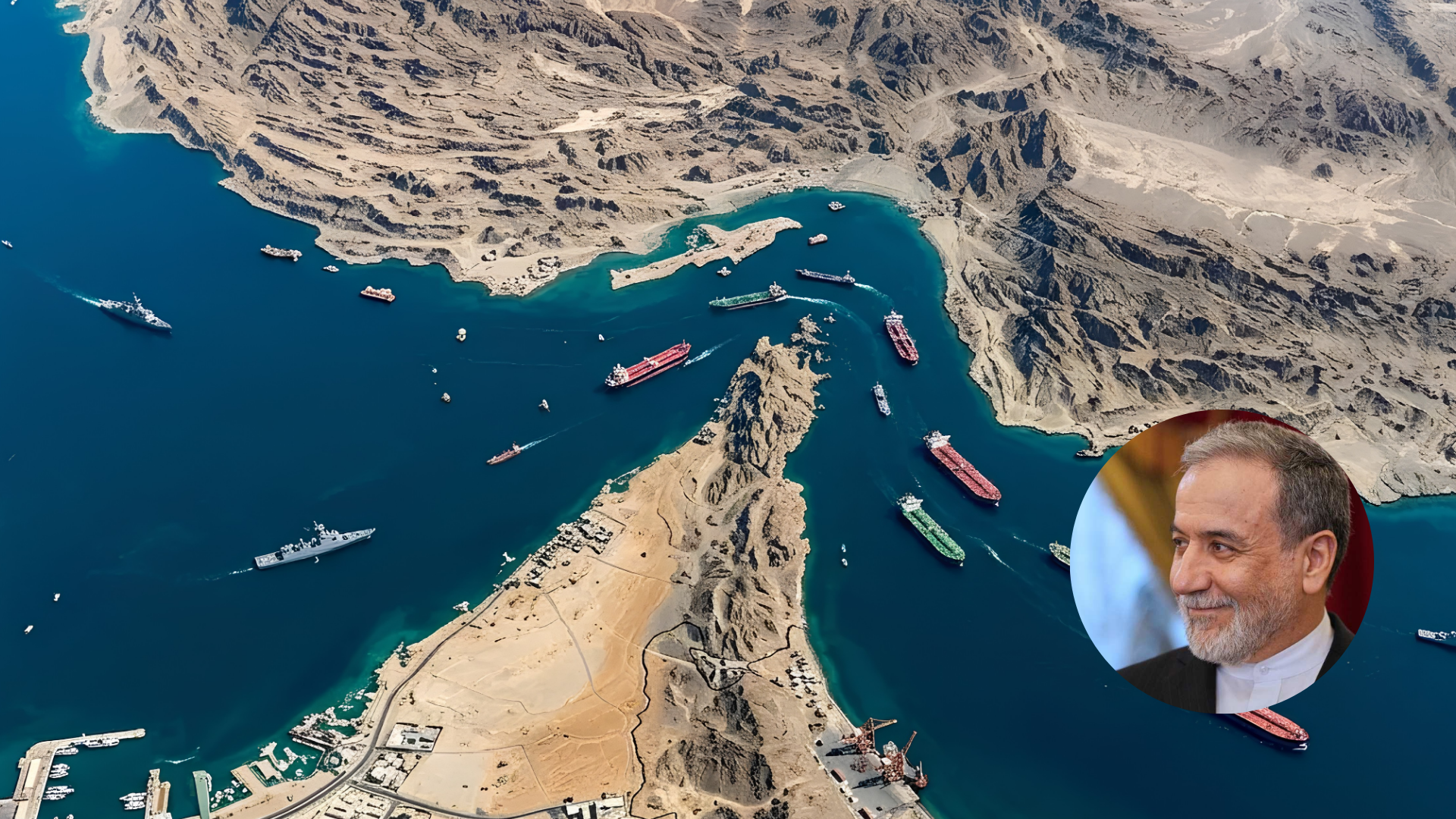
The conflict has had direct implications for global energy markets, particularly because of the strategic importance of the Strait of Hormuz, one of the world’s most important oil shipping routes. Reuters reported that one of the key issues in U.S.-Iran peace talks is the reopening of the strait, through which about one-fifth of the world’s oil supply passed before the conflict escalated.
The recent escalation also involved Israel and Iran exchanging attacks. Ynet reported that Israel struck targets in Beirut after rockets were fired at northern Israel, while Iran responded with missile barrages toward Israel. Israel later carried out airstrikes on targets in western and central Iran.
By Monday evening, Israeli Prime Minister Benjamin Netanyahu said the fighting with Iran had stopped “for now,” but warned that Israel would retaliate if attacked again. Iran also said it was ending attacks on Israel, while warning of a strong response if Israeli military operations in Lebanon continued.
Trump claimed he had intervened to stop the fighting and protect ongoing talks between Washington and Tehran. He also said he had urged Netanyahu to avoid further strikes, arguing that the parties were close to reaching a significant agreement.
Despite Trump’s confident tone, several reports noted that this was not the first time he had used a two-week timeline for major progress in relation to Iran. Previous claims of an imminent deal had not yet resulted in a final settlement, and Iran has reportedly remained cautious about U.S. statements regarding the negotiations.
The uncertainty has kept global markets alert, especially with oil traders watching whether the latest de-escalation can lead to a longer-term ceasefire or whether the region is only entering another temporary pause. Analysts cited by Reuters said investors were not fully convinced that the truce would hold, given the continuing risks involving Iran, Israel, Lebanon and U.S.-Iran negotiations.
The situation remains highly significant for international politics because it connects several major issues at once: U.S. foreign policy under Trump, Iran’s nuclear programme, Israel’s security concerns, the conflict in Lebanon, and the stability of global oil supply.
If the United States and Iran move closer to an agreement, it could ease pressure on energy markets and reduce fears of wider regional conflict. However, if hostilities resume, oil prices may remain volatile and diplomatic efforts could face another setback.
For now, Trump’s statement has placed a two-week timeline on what could become a major turning point in the U.S.-Iran conflict. Whether that prediction results in a formal agreement, a political declaration, or another delayed outcome remains to be seen.