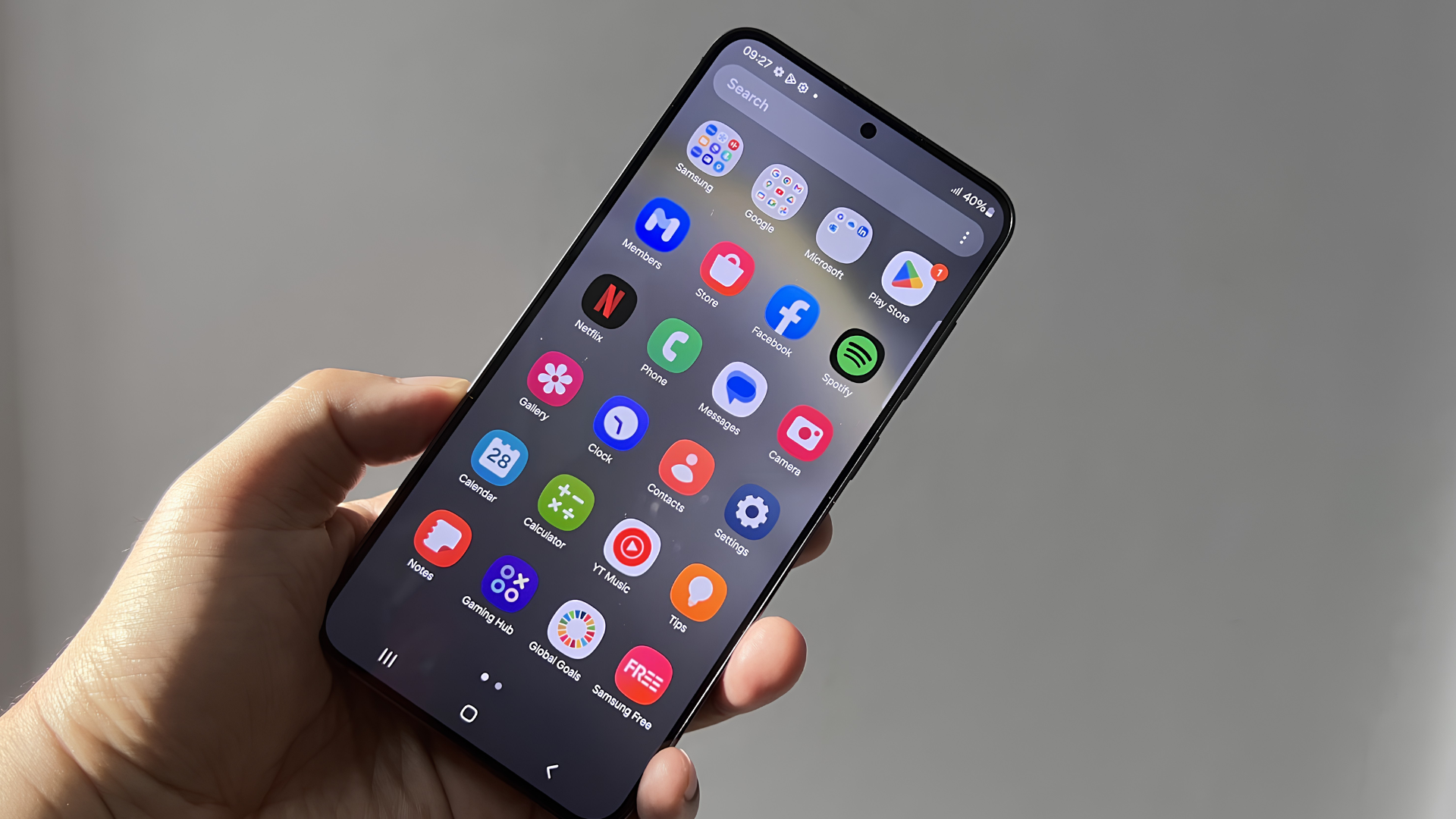
KUALA LUMPUR, JULY 2026 – Smartphones have become the centre of everyday digital activity across Asia-Pacific, but growing dependence on mobile devices is not being matched by stronger cybersecurity habits.
Regional findings from a recent Kaspersky survey showed that 72% of respondents in Asia-Pacific considered their smartphone their main device for accessing the internet. The figure was higher than the global average of 58%, reflecting the region’s increasingly mobile-first digital lifestyle.

The study found that smartphones are no longer used only for communication and entertainment. They now hold large amounts of personal, professional and financial information that could expose users to serious risks if a device is stolen, lost, damaged or compromised by cybercriminals.
Nearly two-thirds of respondents stored personal photos and videos on their phones, while 55% kept contact details and 46% retained text messages or chat histories. Another 41% stored important documents such as identity cards and passports on their devices.
The boundary between personal and professional smartphone use has also become less clear. Around 54% of respondents kept work-related information on their phones, including emails, calendars and access to company systems.
Financial credentials and account login details were found on approximately one-third of the devices surveyed. Emerging categories of sensitive information included artificial intelligence chatbot histories, stored by 25% of respondents, and gaming accounts, held by 24%.
Kaspersky cybersecurity expert Anton Kivva said smartphones had developed into full-featured digital assistants connected to nearly every aspect of a person’s life. As more sensitive information is entrusted to mobile devices, security should become an essential part of smartphone use rather than an optional precaution.
The rising value of data stored on smartphones has made mobile devices attractive targets for cybercriminals. During the first quarter of 2026, cybersecurity systems blocked more than 2.67 million attacks involving malware, adware and other unwanted mobile software. Researchers also identified over 306,000 malicious installation packages during the same period.
Despite these risks, cybersecurity awareness and protective practices remain inadequate among many users. Important information is often kept only on the device, meaning it could be permanently lost through accidental deletion, hardware failure, theft or a successful cyberattack.
Cybersecurity experts recommend that users avoid treating their smartphones as the sole storage location for important information. Photos, documents, contacts and other essential files should be regularly backed up through a secure cloud service or another trusted storage platform.
Highly sensitive materials, including passwords, financial information and scanned identity documents, should be stored in protected formats rather than left openly accessible in galleries, messaging applications or ordinary folders.
Users are also advised to install comprehensive mobile security protection capable of checking applications during installation and blocking malicious websites, phishing links and other digital threats before they can steal personal information or money.
Device owners should prepare for the possibility of losing their phones by activating built-in location services and remote-wipe features. Both Android and iOS provide tools that can help users locate a missing device or erase its data remotely when recovery is no longer possible.
Automatic backups and instant screen-lock settings should also be enabled. A short auto-lock period may prevent unauthorised access when a device is left unattended, while regular backups make it easier to recover important files after loss, theft or damage.
The survey was conducted by Kaspersky’s market research centre in March 2026 and involved 7,200 respondents from 18 countries, including Malaysia, Indonesia, Thailand, Vietnam, China and India.